If you rent and want to charge your EV without risking eviction, it’s best to explore shared charging stations in your community or use portable and wireless chargers that meet safety standards. Avoid DIY electrical work and always ask for your landlord’s permission before making modifications. Communicating openly and offering to cover costs can help. If you want to discover more smart workarounds that keep you compliant and safe, keep exploring your options.
Key Takeaways
- Review lease agreements and seek landlord permission before installing any EV charging equipment.
- Use public or shared community charging stations to avoid property modifications.
- Opt for portable or wireless chargers that don’t require electrical system changes.
- Schedule charging during off-peak hours using timers or smart chargers to stay discreet.
- Maintain open communication with your landlord, emphasizing safety, compliance, and mutual benefits.
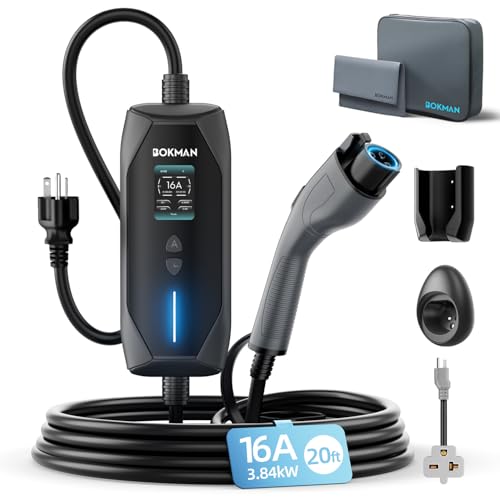
bokman Portable Level 2 & Level 1 EV Charger (240V, 16A), 20ft Cable and NEMA 6-20 Plug and NEMA 5-15 Adapter for Household Socket, Current Adjustable 6-16Amp (J1772 Connector)
Portability & Premium Design: This EV charger features a lightweight design with 20FT cable – about the length…
As an affiliate, we earn on qualifying purchases.
As an affiliate, we earn on qualifying purchases.
What Are the Main Challenges Renters Face When Charging an EV?
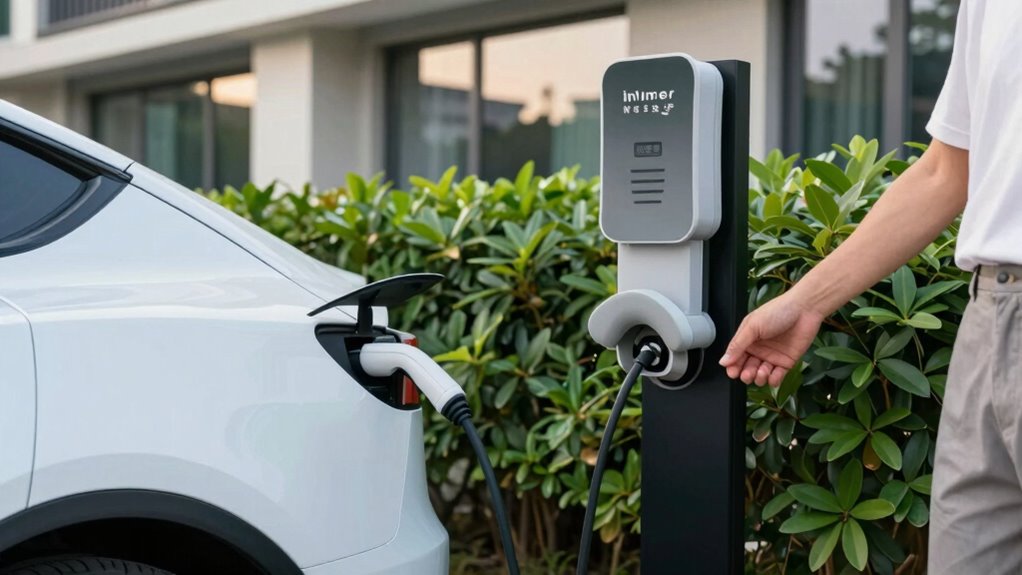
Renters often face significant hurdles when it comes to charging an electric vehicle because they don’t have control over the property’s electrical setup. Apartment restrictions and rental policies can limit your options, making it tough to install chargers or access dedicated power outlets. Many landlords have rules against altering electrical systems or installing permanent fixtures, citing safety or liability concerns. Additionally, some rental agreements explicitly restrict modifications, including EV charging stations. These policies are designed to protect property owners but can leave you scrambling for alternatives. Without permission, attempting to set up a charger could risk eviction or damage to your rental. As a renter, understanding these restrictions is essential to avoid conflicts and find compliant ways to keep your EV charged. Exploring temporary charging options that comply with rental policies can help you stay charged without risking your tenancy. Being aware of electrical system restrictions can help you identify safer, more feasible solutions that work within your rental agreement. Recognizing legal limitations can also prevent potential liabilities associated with unauthorized modifications.

MACH 1: Fast 48 Amp Level 2 EV Charger, Wall-Mount Electric Vehicle Charging Station, 200-240V Hardwire or NEMA 14-50. J1772 car Connector & Tesla NACS, Indoor/Outdoor, 30ft Cable evse Adapter
An American brand 4 all EVs in the US: ApexCharger features high end displays on all of its…
As an affiliate, we earn on qualifying purchases.
As an affiliate, we earn on qualifying purchases.
How Can I Legally Charge My EV Without Losing My Lease?
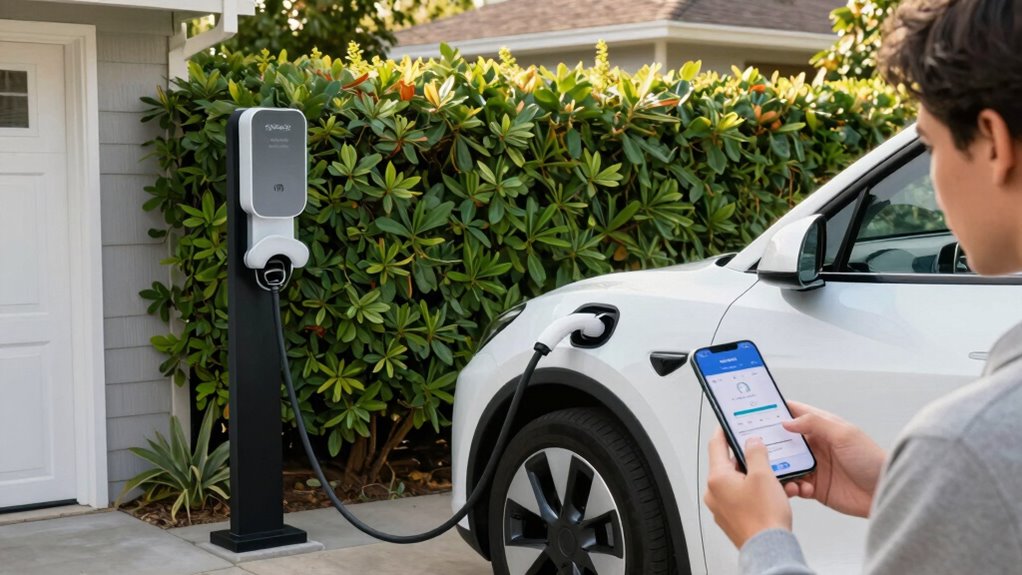
Wondering how to charge your EV legally without risking your lease? The key is understanding ev charging etiquette and your rental lease clauses. First, review your lease agreement carefully—some clauses may restrict modifications or electrical work. To avoid issues, don’t attempt DIY installations; instead, ask your landlord for permission before plugging in any chargers. If permitted, follow proper electrical safety protocols and ensure the charger doesn’t cause damage or safety hazards. Communicate openly about your needs, emphasizing that your charging won’t interfere with the property or other tenants. Respect any restrictions or guidelines set by your landlord or property management. Being aware of electrical safety protocols and nail biology, such as proper grounding and wiring, can help you prevent potential hazards. By staying transparent and adhering to lease clauses, you can charge your EV responsibly without risking eviction or lease violations.

2026 Upgraded Level 1&2 Portable EV Charger, 8-16Amp Adjustable Current & Timer, 110V–240V, NEMA 5-15 & 6-20 Plug, 21Ft EV Charging Cable, J1772 Electric Car Charger for All PHEV/EV Charging Cord
[2026 INTELLIGENT CHARGING UPGRADE — PRECISION CONTROL MEETS SMART SCHEDULING] After surveying 100K+ U.S. EV owners, the Raylix…
As an affiliate, we earn on qualifying purchases.
As an affiliate, we earn on qualifying purchases.
How Can I Get My Landlord’s Permission to Install a Charger?
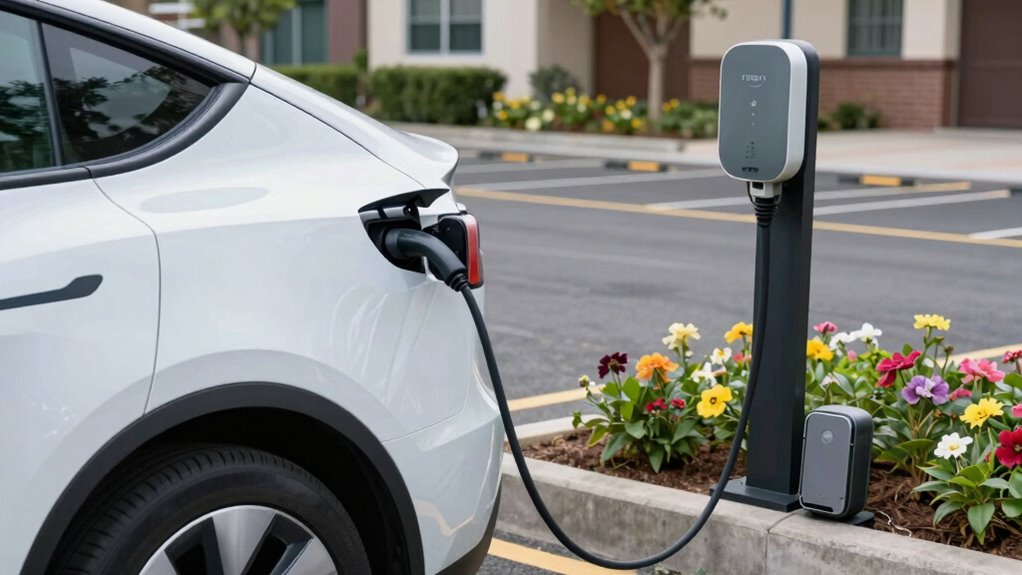
Securing your landlord’s permission is a crucial step before installing an EV charger, as it guarantees you’re complying with lease terms and avoiding potential disputes. Many renting restrictions can limit modifications to the property, so getting landlord permissions ensures you stay within legal boundaries. Approach your landlord with a clear plan, including details about the charger, installation process, and safety measures. Offering to cover installation costs or proposing a lease addendum can make the request more appealing. Be honest about your needs and emphasize the benefits, like added property value or convenience. Remember, open communication and demonstrating respect for their property increase your chances of approval, helping you install your EV charger smoothly without risking your lease. Additionally, understanding indoor air quality concerns, such as dust or microplastics, can be beneficial when discussing any modifications that might affect the property environment. Being aware of home safety considerations can also help reassure your landlord that the installation will be done responsibly. Addressing regional energy regulations can further facilitate approval by showing you are informed about local requirements. Recognizing building codes and compliance standards can also strengthen your case and demonstrate your commitment to a safe and legal installation. Moreover, providing information about electric vehicle charging infrastructure can help your landlord see the long-term benefits and compatibility with the property.

Commercial EV Charging Station – OCPP-Compliant, Revenue-Generating Charger with Driver Pay App – Powered by EV Range Software
Earn Revenue with Every Charge: Set custom pricing and idle fees. Monthly payouts and usage reports included.
As an affiliate, we earn on qualifying purchases.
As an affiliate, we earn on qualifying purchases.
Where Can I Find Shared EV Charging Stations in My Community?
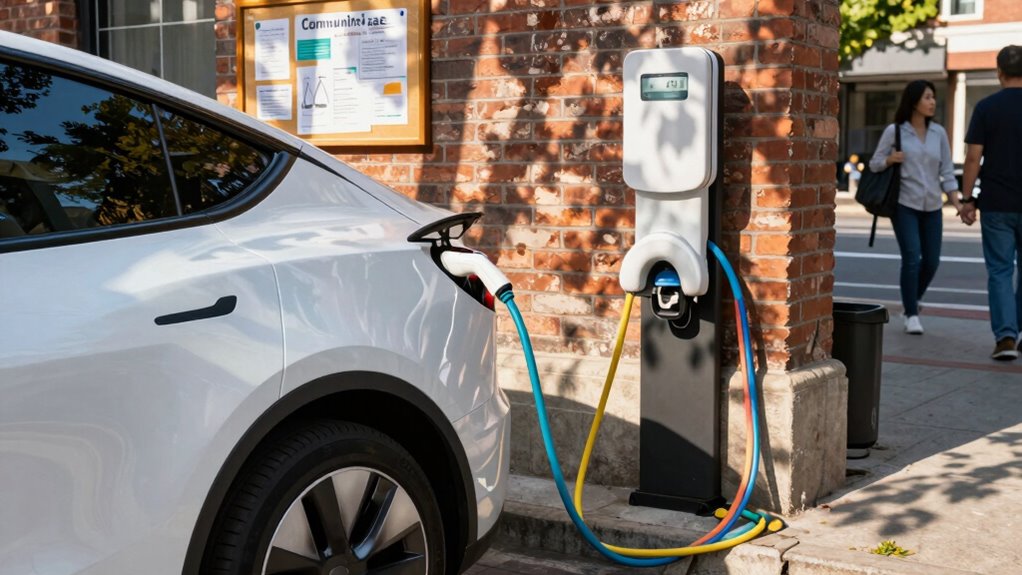
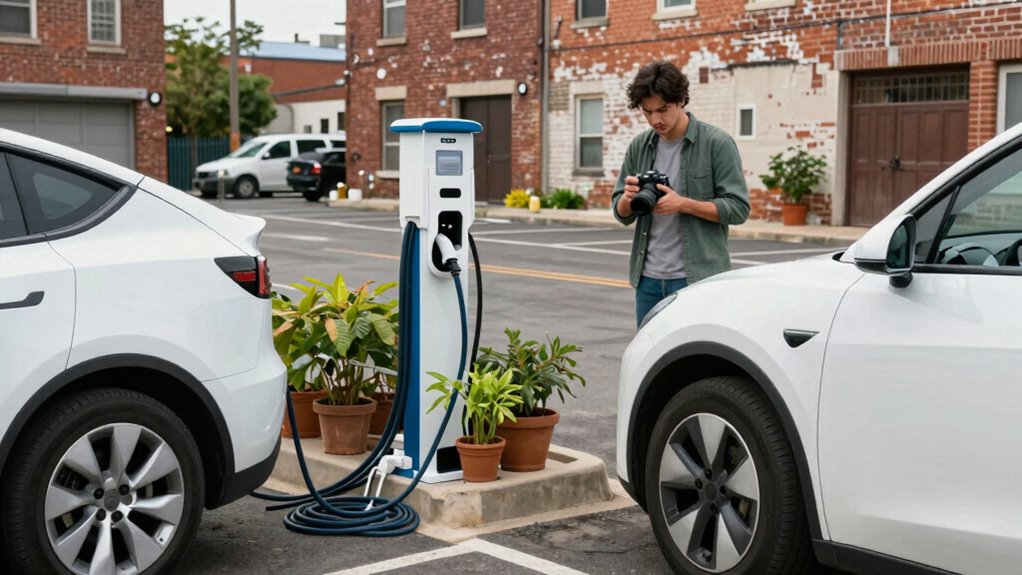
Finding shared EV charging stations in your community offers a convenient alternative when installing a personal charger isn’t an option. Many communities develop partnerships with local businesses, shopping centers, and public facilities to provide accessible charging spots. Check with your local government programs, which often list public charging stations on their websites or apps. Community partnerships can include partnerships with workplaces, universities, or municipal lots, making charging more accessible for renters. Some cities also offer designated charging stations as part of sustainability initiatives. By exploring these resources, you can easily locate nearby shared charging stations, saving you time and money while keeping your EV charged without risking eviction or violating lease agreements.
What Are Portable and Wireless Chargers, and Are They Safe?
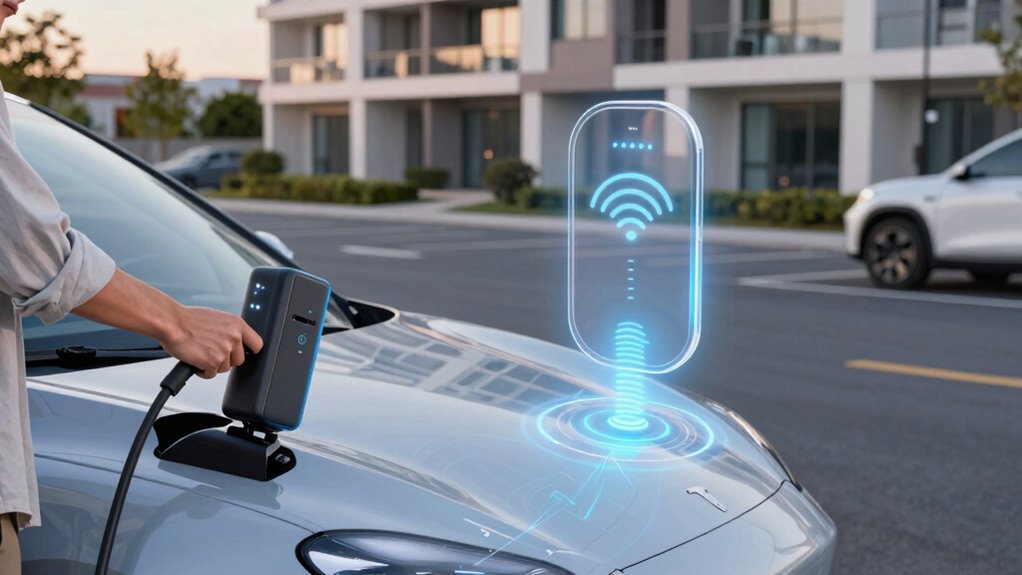
Are portable and wireless chargers a practical solution for EV owners who rent or lack dedicated parking? Portable chargers are compact devices you can carry, allowing you to charge your EV from standard outlets when needed. Wireless charging, on the other hand, lets you power up your vehicle without plugging in, using compatible pads or mats. But are they safe? Here’s what you should know:
Portable and wireless EV chargers offer convenient options for renters and those without dedicated parking.
- Safety Standards: Choose portable chargers with proper certifications to guarantee safe operation.
- Compatibility: Confirm your EV supports wireless charging to avoid damage or inefficiency.
- Usage Limits: Portable chargers are great for emergencies but may not deliver the same speed or convenience as dedicated stations.
While convenient, always follow manufacturer instructions to minimize risks. Additionally, be aware of data storage/backup gear options that can help you keep records of your charging history and safety certifications for added peace of mind. It’s also advisable to review electrical safety guidelines to ensure proper usage and avoid hazards during charging.
DIY Charging Hacks That Stay Within Legal and Lease Guidelines
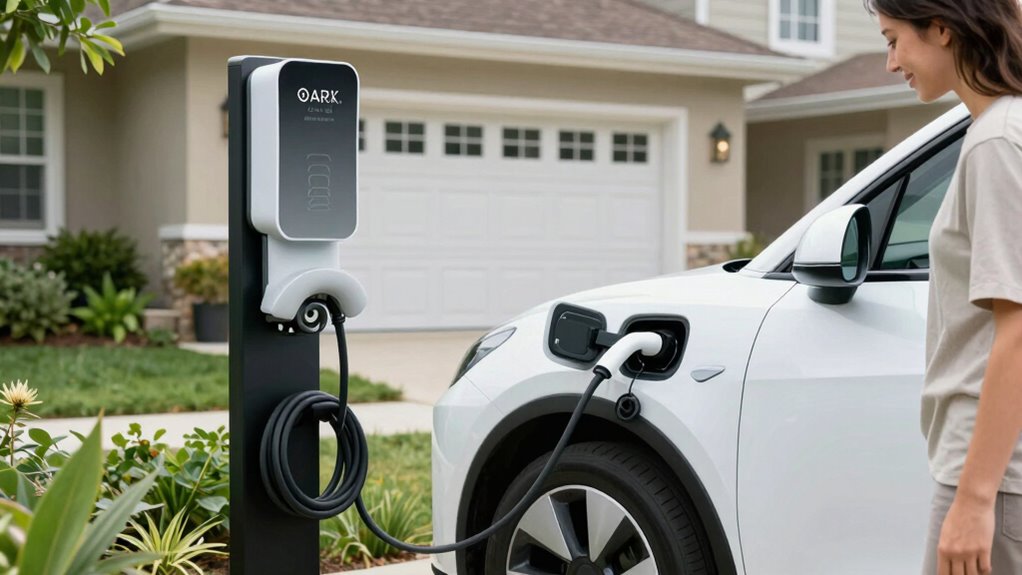
You can explore portable charging devices that fit your lifestyle without violating lease rules. Shared charging stations in your community or workplace can also be a convenient option. Additionally, planning your charging around off-peak hours can save money and reduce strain on local power supplies. Incorporating work-life harmony strategies can help you balance your charging needs with other daily commitments, and understanding energy efficiency tips can further optimize your charging routines. Being mindful of urban traffic confidence can help you plan routes that minimize energy consumption and charging needs. To further support your efforts, consider implementing soundproofing methods within your living space to reduce noise disturbances and create a more peaceful environment. Staying informed about smart home security practices can also ensure your charging setup remains safe and private.
Portable Charging Devices
When traditional EV charging stations aren’t an option, portable charging devices can be a practical solution for renters. They’re affordable, flexible, and don’t require permanent modifications. To maximize their benefits, consider these options:
- Use portable Level 1 chargers that plug into standard outlets, ideal for quick top-ups without significant charging station costs.
- Invest in portable solar chargers, which harness solar incentives to reduce overall costs and provide sustainable energy on the go.
- Keep a high-capacity portable power bank designed for EVs, allowing you to charge during emergencies or in areas lacking station access.
- Understanding smart thermostat setup and protocols can help you optimize energy use and reduce costs when managing your charging schedule.
These portable solutions help you stay charged without risking lease violations, especially when traditional charging stations aren’t nearby. They’re a smart, legal workaround respecting your rental agreement.
Shared Charging Stations
Sharing existing charging stations with neighbors or nearby businesses can be an effective way to access charging without modifying your rental property. This approach minimizes the need for rental property upgrades and keeps you within lease guidelines. To guarantee smooth sharing, practice good ev charging etiquette—be courteous, limit your charging time, and communicate clearly with others. Many communities have public or semi-private charging stations that can be used during off-hours, reducing conflicts. Always respect posted rules and avoid overusing shared resources. This method allows you to charge your EV reliably while avoiding lease violations or potential eviction risks. Properly understanding electric bike horsepower can also help you choose the right equipment for your needs and ensure safe operation. Additionally, exploring public charging options can expand your access points and provide more flexibility. Coordinating with neighbors or local businesses can foster a community-sharing environment that benefits all parties involved and makes EV charging more accessible. Building a trustworthy sharing arrangement with your neighbors or local businesses can further enhance cooperation and reduce potential misunderstandings. Engaging with local EV charging networks can also streamline access and ensure compliance with shared use policies. By coordinating with neighbors or local businesses, you create a mutually beneficial solution that keeps your rental situation hassle-free.
Off-Peak Charging Strategies
Taking advantage of off-peak hours for charging can save money and help you avoid conflicts with neighbors or property managers. By aligning your charging schedule with less busy times, you show good ev charging etiquette and stay within lease agreement clauses. Here are three tips:
- Schedule your charging overnight or early mornings when electricity rates are lower and demand is minimal.
- Use timers or smart chargers to automate off-peak charging, reducing the risk of accidental violations.
- Communicate with your landlord about your charging plans to ensure transparency and avoid misunderstandings.
This approach keeps your EV charging discreet and within lease guidelines, helping you avoid eviction risks while saving on energy costs. It’s a simple, legal workaround for renters seeking efficient, conflict-free charging.
Tips for Maintaining Good Relations With Your Landlord About EV Charging
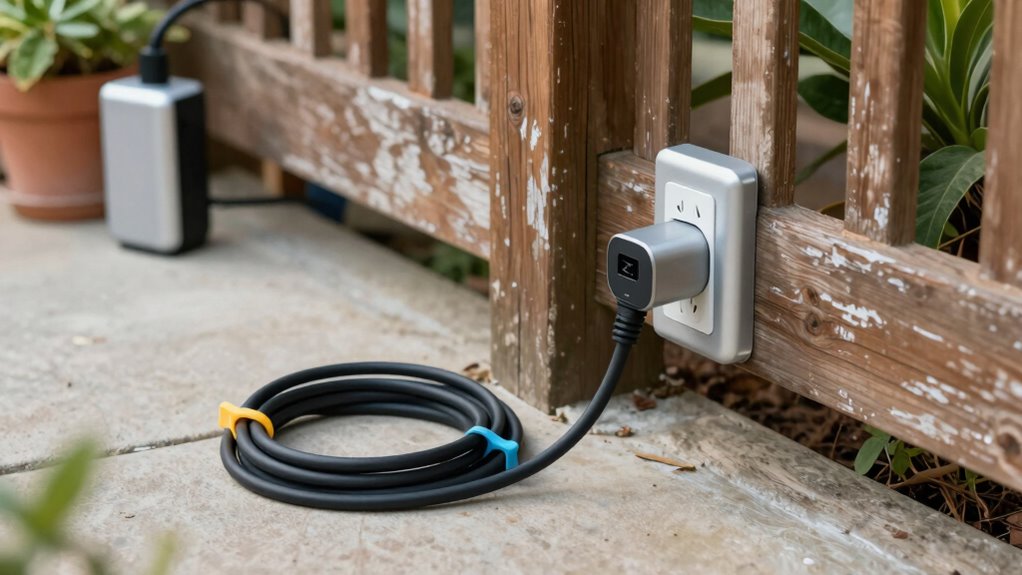
Building a positive relationship with your landlord about EV charging starts with open communication and respect. Be transparent about your needs and intentions early on. During lease negotiations, discuss potential accommodations for charging stations or outlets to prevent misunderstandings. Showing you’re proactive helps build trust and demonstrates responsibility. Keep your landlord informed about any electrical upgrades or modifications to avoid surprises. To help you, here’s a quick guide:
| Tips for Good Relations | Key Benefits |
|---|---|
| Communicate openly | Builds trust and clarity |
| Discuss lease adjustments | Prevents future disputes |
| Respect property rules | Maintains good rapport |
Additionally, understanding building codes and safety regulations can ensure your modifications are compliant and safe. Clear landlord communication and thoughtful lease negotiations foster a cooperative environment, making EV charging a smooth experience.
Frequently Asked Questions
Are There Specific Legal Restrictions for Charging EVS in Rental Properties?
Yes, there are legal restrictions on charging EVs in rental properties. You need to follow parking regulations, which may limit where and when you can charge. Additionally, utility billing policies might restrict or require permission to add charging costs to your rent. Always check your lease and local laws, and communicate with your landlord to ensure you’re compliant and avoid potential eviction risks.
Can I Install a Level 2 Charger in My Apartment Without Permission?
Installing a Level 2 charger in your apartment without permission is a risky move—it’s like opening Pandora’s box! Typically, apartment modifications like installing chargers require landlord permissions. You should ask your landlord first to avoid potential eviction or damage disputes. If they say no, consider portable or shared charging options that don’t involve permanent modifications. Respecting the rules keeps your charging dreams alive without risking your tenancy.
What Are the Costs Associated With Portable EV Chargers for Renters?
Portable EV charger costs vary, typically ranging from $300 to $700, depending on the model and features. You might also face rental property fees, like deposit increases or additional charges for installing a dedicated outlet. These costs are generally lower than permanent solutions and don’t require landlord approval. Keep in mind, your best bet is to check with your landlord first to avoid potential issues or extra fees down the line.
How Do Shared Charging Stations Impact My Rental Lease Agreement?
Shared charging stations can affect your leasing agreements by adding requirements for accessibility and usage policies. You might need permission from your landlord or property management to use these stations, and some leases specify restrictions on installing or accessing shared amenities. Always review your leasing agreement carefully, and communicate with your landlord to ensure shared station accessibility guarantees with the lease terms, preventing potential conflicts or violations.
Are There Insurance Considerations for Renters Who Charge EVS at Home?
Imagine accidentally causing a fire while charging your EV at home. You should check your insurance coverage, as some policies may not fully cover damages or liability concerns related to EV charging. Without proper coverage, you could be financially responsible for damages or injuries. It’s wise to verify with your insurer and consider adding endorsement if necessary, ensuring you’re protected against potential risks associated with at-home EV charging.
Conclusion
Finding your way with EV charging as a renter might feel like trying to land a spaceship on a tiny balcony—daring but intimidating. But with the right permissions, creative hacks, and community resources, you can keep your lease safe while fueling your EV dreams. Think of it as turning your tiny apartment into a secret charging hub—no landmine, eviction, or driveway needed! So go ahead, make your EV charging journey unstoppable—your electric future is just a plug away!