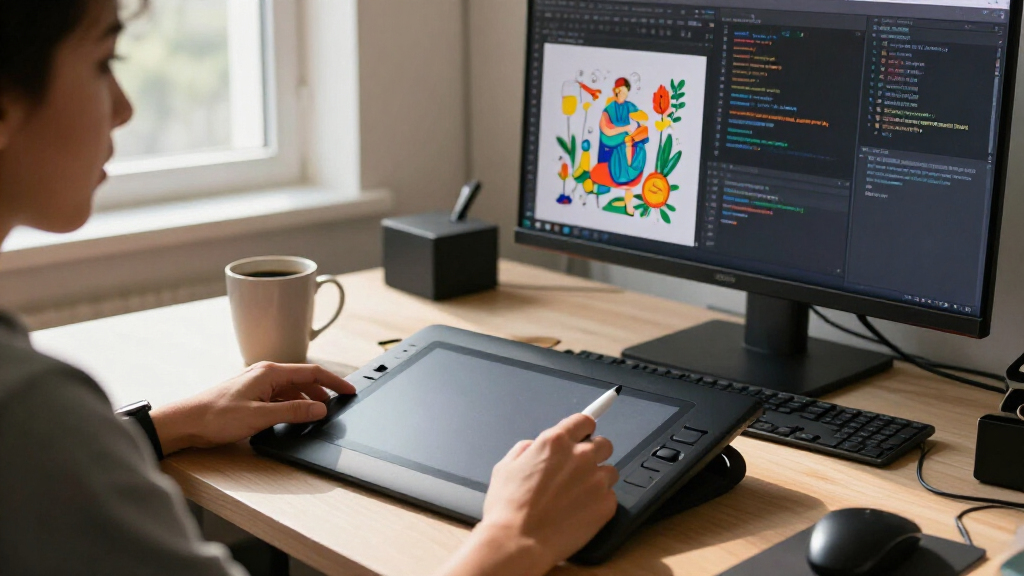
🔍 Read the full analysis: Digital Art Tablet Guide: 8 Drawing Tablets For 2027 on ThorstenMeyerAI.com

Get business pricing on monitors, keyboards and dev gear
- Business-only prices and quantity discounts
- Tax-exempt purchasing
- Multiple users, one account, clear invoices
TL;DR
A buyer’s guide from ThorstenMeyerAI.com compares eight drawing tablets for 2027, from computer-connected screen tablets to screenless and standalone models. It identifies the HUION Kamvas 13 (Gen 3) as its overall pick, but says compatibility, workspace and workflow should guide buyers more than specifications alone.
ThorstenMeyerAI.com has published a guide comparing eight drawing tablets for 2027, with options for artists who want to draw on a screen, use a separate computer monitor or work on a standalone device. The guide names the HUION Kamvas 13 (Gen 3) its best overall pick, while emphasizing that the right choice depends on software compatibility, workspace and setup—not pen specifications alone.
The guide ranks the Kamvas 13 (Gen 3) first among its computer-connected display tablets, citing direct-on-screen drawing and dual dials. It also lists the HUION Inspiroy H1060P as a value option for people who already have a computer and want a larger screenless work area. Both require a computer-based workflow; the Kamvas also needs a compatible display connection.
For more compact screenless setups, the guide includes the HUION H640P and Wacom Intuos Small. It says their smaller surfaces can suit portability and limited desk space, though they may constrain broad strokes or detailed work. The larger H1060P provides more room for arm movement, at the cost of taking up more space. For more options, see these drawing tablet picks for 2027.
The remaining entries are the XP-Pen Artist 13.3 Pro V2, listed twice, and the standalone Frunsi RubensTab T11 Pro and PicassoTab A10. The guide treats the two XP-Pen listings cautiously, advising shoppers to check the exact version, specifications and package contents. The standalone tablets can support drawing without a computer connection, but their available apps and workflows may differ from desktop setups. Artists interested in AI-enabled options can also explore AI drawing tablets.
The 8 picks
- 1
 HUION Kamvas 13 (Gen 3) 13.3-Inch Drawing Pen Display with Dual Dial and StandView on Amazon →
- 2
 PicassoTab 10" Standalone Drawing Tablet (A10)View on Amazon →
- 3
 XP-Pen Artist 13.3 Pro V2 Drawing Tablet with Screen, 16K Pressure Levels, Re…View on Amazon →
- 4
 XPPen Artist 13.3 Pro V2 Drawing Tablet with ScreenView on Amazon →
- 5
 Frunsi RubensTab T11 Pro Standalone Drawing TabletView on Amazon →
- 6
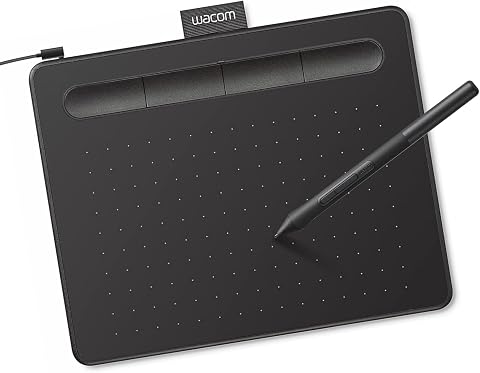 Wacom Intuos Small Wired Drawing Tablet with PenView on Amazon →
- 7
 HUION Inspiroy H1060P Graphics Drawing Tablet, 10 x 6.25 inView on Amazon →
- 8
 HUION Inspiroy H640P 6 × 4-Inch Drawing Tablet with Battery-Free StylusView on Amazon →
How Setup Shapes the Choice
The comparison matters because these products do not serve the same kind of drawing routine. A screen tablet puts the artwork under the pen, a screenless tablet separates hand movement from the computer display, and a standalone model can reduce dependence on a computer for supported tasks. Buyers choosing by price or advertised pen features alone may end up with a device that does not fit their software or habits.
The guide’s practical test is whether a tablet works with the buyer’s computer, operating system and drawing app, and whether its workspace suits their gestures and desk. Controls such as shortcut keys and dials can save time when they match frequently used commands, but extra controls are not automatically useful to every artist. That makes the recommendations starting points for comparison, not a universal ranking for all users.
Popular right now

KitchenAid Artisan 5-Qt Tilt-Head Stand Mixer, Almond Cream

Vitamix 5200 Professional-Grade Blender with 64 oz Container, Black

Breville Barista Pro Espresso Machine with Grinder, Brushed Stainless Steel
As an affiliate, we earn on qualifying purchases.
Three Drawing Setups Compared
The guide organizes the eight options around three broad arrangements: display tablets connected to a computer, pen tablets used with a separate monitor, and standalone tablets. A display may feel intuitive to artists who want to see the image directly beneath the pen, but it still depends on computer compatibility and a working connection. A pen tablet can be a simpler, lower-cost fit for someone already comfortable looking at a monitor while drawing.
Workspace and portability create another tradeoff. The H640P and Intuos Small favor a compact footprint, while the H1060P offers more active drawing area. Screen size does not by itself determine usable canvas space, and a larger device may take up more desk room. The guide recommends checking the exact connection requirements and app support before purchase, especially for standalone models.
“The main tradeoff is between drawing directly on a display, using a more affordable pen tablet with a separate computer screen, or paying for a self-contained tablet.”
— ThorstenMeyerAI.com guide
Details Buyers Should Verify
The source material does not provide a publication date, prices, test measurements or a detailed explanation of how the products were evaluated. Its recommendations are presented as the guide’s judgments, rather than independent laboratory results. The two XP-Pen Artist 13.3 Pro V2 listings are described as closely related, but the material does not identify the precise differences in their bundles or specifications.
Compatibility also depends on the exact computer, operating system, connection and drawing software. The guide does not establish that every listed model works with every app or device. Buyers should confirm current specifications, included accessories, app availability and connection requirements with the manufacturer or retailer before ordering.
Check Compatibility Before Buying
The guide does not announce a follow-up test or a scheduled product update. For shoppers, the next step is to match a preferred setup to the software and devices they already use, then compare the exact model and package being sold. Display-tablet buyers should check computer and video connections; standalone-tablet buyers should verify the apps they need are available.
Before choosing, compare the active drawing area with the space available on the desk and consider whether shortcut controls will be reachable during normal use. Prices and product configurations can change, and the source provides no price snapshot. Checking retailer listings and manufacturer specifications at the time of purchase can help resolve those details.
Key Questions
Which tablet does the guide rank first?
It names the HUION Kamvas 13 (Gen 3) its overall pick for artists seeking a computer-connected display tablet with direct-on-screen drawing and dual dials.
Which option is intended for a larger screenless workspace?
The guide highlights the HUION Inspiroy H1060P for buyers who already have a computer and want more drawing area than the compact H640P or Wacom Intuos Small.
Can the standalone tablets work without a computer?
The Frunsi RubensTab T11 Pro and PicassoTab A10 are presented as standalone options for supported tasks. Their available apps and workflow may differ from a computer-based setup, so check compatibility before buying.
Why are there two XP-Pen Artist 13.3 Pro V2 entries?
The guide says the listings appear to describe closely related screen tablets but does not explain their exact differences. It advises checking the specific version, specifications and included accessories in each listing.
Source: ThorstenMeyerAI.com