
When you ride electric buses in Santiago, you’ll notice the air feels cleaner and fresher. These buses use advanced batteries and emit no exhaust fumes, markedly reducing air pollution in the city. With quieter motors and less vibration, your ride becomes more comfortable and peaceful. The shift to electric transit not only improves air quality but also supports a healthier city environment. Keep exploring to discover how these changes are transforming urban life in Santiago.
Key Takeaways
- Electric buses produce zero tailpipe emissions, significantly reducing air pollutants in Santiago.
- Transitioning to electric buses helps improve overall air quality and contributes to a healthier city environment.
- Passengers experience cleaner air thanks to reduced exhaust fumes from traditional diesel buses.
- Electric buses support sustainability efforts, leading to a noticeable decrease in urban air pollution levels.
- Improved air quality results in a more comfortable and healthier experience for city commuters.

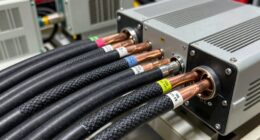
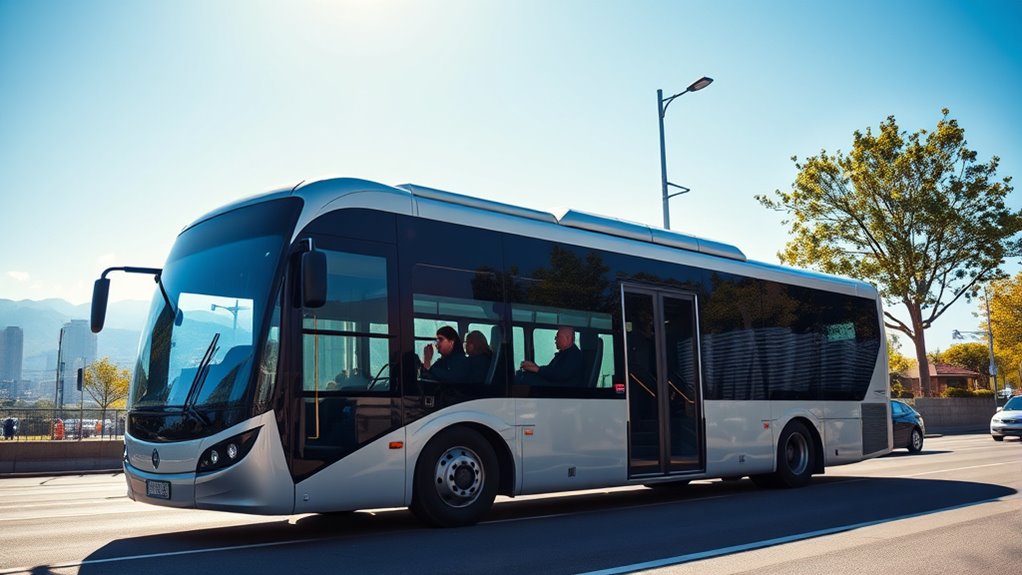
Santiago is transforming its public transportation system by introducing electric buses, offering residents a cleaner and quieter way to commute. As you step onto these new vehicles, you immediately notice the difference—there’s less engine noise and no exhaust fumes. This shift isn’t just about reducing emissions; it’s about improving your daily experience on the road. The electric buses utilize advanced battery technology, which means they can travel longer distances on a single charge and require less maintenance. This reliability ensures you won’t face unexpected delays, making your commute smoother and more predictable. Plus, the batteries are designed to be safe and durable, giving both passengers and operators peace of mind.
Passenger comfort is a top priority with these electric buses. The interior cabins are more spacious, with modern seating that’s easier to clean and maintain. The ride quality feels noticeably smoother, thanks to the electric motors’ quiet operation and the bus’s ability to absorb road bumps better than traditional diesel models. You’ll appreciate the quietness, especially during early morning or late evening trips when noise can be particularly disruptive. Climate control systems are more efficient, maintaining a comfortable temperature regardless of the weather outside. Large windows and improved ventilation ensure fresh air circulates inside, enhancing your overall sense of well-being during your journey.
Passenger comfort improves with spacious interiors, quiet rides, efficient climate control, and fresh air circulation.
The integration of battery technology also allows for innovative features aimed at passenger comfort. Some buses are equipped with USB charging ports, so you can keep your devices powered up during long rides. Digital displays provide real-time updates on routes and stops, reducing confusion and helping you plan your journey better. These features create a more engaging, convenient experience that encourages you to choose electric buses over traditional options. The shift to electric transport also means fewer vibrations and less engine noise, making your ride more relaxing. Additionally, the use of electric buses supports environmental sustainability, contributing to cleaner air and a healthier city environment.
As the city continues to expand its electric fleet, you’ll find that these buses are becoming a more common sight on the streets. The improved battery technology not only supports longer routes but also contributes to quicker charging times, minimizing downtime and maximizing operational efficiency. This means you can count on cleaner air and a quieter environment every day. Overall, the transition to electric buses in Santiago isn’t just a technological upgrade; it’s a tangible improvement in how you experience public transportation—more comfortable, more reliable, and better for the city’s health and your well-being.
Top picks for "electric santiago passenger"
Open Amazon search results for this keyword.
As an affiliate, we earn on qualifying purchases.
Frequently Asked Questions
How Long Have Electric Buses Been Operating in Santiago?
You might be surprised, but electric buses have been operating in Santiago since around 2018. During this time, the city has expanded its electric bus infrastructure to improve passenger comfort and reduce pollution. You’ll notice cleaner air on these routes, thanks to the quieter, emission-free vehicles. The ongoing upgrades aim to make your ride even more comfortable and eco-friendly, reflecting Santiago’s commitment to sustainable transportation.
What Is the Cost Difference Between Electric and Traditional Buses?
You’ll find that electric buses have higher upfront costs compared to traditional diesel buses, but the savings in fuel and maintenance quickly offset this. The fare differences might be minimal, but the overall cost savings from lower operational expenses are significant. Over time, electric buses become more economical as they reduce fuel expenses and maintenance costs, making them a smarter choice for transit agencies and passengers alike.
Are There Plans to Expand Electric Bus Routes Further?
Yes, there are plans to expand electric bus routes in Santiago. The city is investing in electric bus infrastructure to support this growth, aiming to improve passenger satisfaction by offering cleaner, quieter rides. You’ll notice more routes in the future, making it easier to choose sustainable transportation options. This expansion reflects Santiago’s commitment to reducing pollution and enhancing your commuting experience through greener, more efficient electric buses.
How Do Electric Buses Impact Local Noise Pollution Levels?
Electric buses considerably reduce noise pollution, creating a quieter environment for your community. By producing less engine noise and eliminating exhaust sounds, they promote noise reduction, which benefits everyone’s health. You’ll notice a calmer, more peaceful neighborhood, and residents can enjoy better community health overall. Electric buses contribute to a more comfortable urban space, making your daily commutes and neighborhood walks more pleasant and less stressful.
What Maintenance Challenges Do Electric Buses Face in Santiago?
You might notice electric buses face maintenance challenges like ensuring battery longevity and reliable charging infrastructure. As you observe buses stopping for charging, you realize that battery health affects their performance and lifespan. Constant use and environmental factors can strain batteries, requiring regular checks. Additionally, maintaining an extensive charging network demands ongoing upkeep. These challenges mean you need to stay proactive to keep electric buses running smoothly in Santiago’s busy transit system.
Conclusion
As you ride through Santiago’s streets, you can feel the difference—like inhaling a crisp mountain gust rather than smoky air. One passenger remarked how the electric bus felt like a gust of fresh air replacing the smog-choked past. With cleaner air and quieter rides, your journey becomes more than just travel—it’s a step toward a healthier city. Embrace these changes; they’re like planting seeds for a brighter, cleaner future for everyone.