
TL;DR
COP31 organizers have proposed a goal of supplying 35% of global final energy demand with electricity by 2035, compared with just over 20% today. The proposal puts electrification—from vehicles and home heating to industrial equipment—on the conference agenda, but the source does not say whether countries have adopted the target or how it would be implemented.
COP31 organizers have proposed that countries aim to meet 35% of global final energy demand with electricity by 2035, up from just over 20% today. The proposal places wider electrification—using electricity for transport, buildings and industry—among the conference’s climate priorities, though the available account does not confirm that participating governments have formally adopted the target.

Get business pricing on monitors, keyboards and dev gear
- Business-only prices and quantity discounts
- Tax-exempt purchasing
- Multiple users, one account, clear invoices
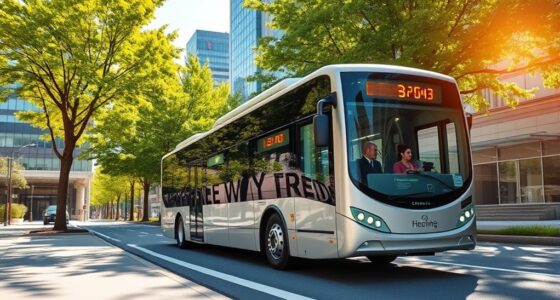
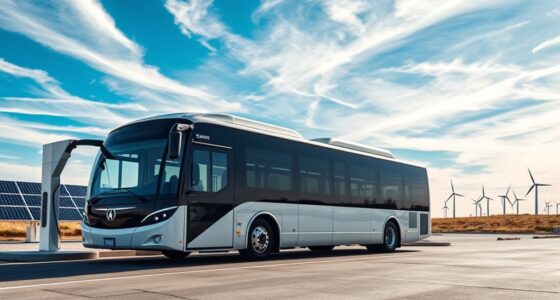
Meeting the proposed goal would require changes across the economy, not only more electric cars. Drivers and freight operators would need to replace gasoline- and diesel-powered vehicles with plug-in alternatives. Building owners and manufacturers would also need to shift from fossil-fuel boilers toward equipment such as heat pumps and electric boilers, while steel and iron producers could use electric arc furnaces and other lower-emissions processes.
The proposal comes with a key qualification: electrification’s climate benefit depends in part on how the electricity is generated. The source argues that electric technologies can still reduce energy use and emissions when grids rely partly on fossil fuels, because some electric equipment uses energy more efficiently than equipment that burns fuel directly. It gives heat pumps as an example, contrasting them with household boilers.
The source also points to energy security as a reason countries may pursue electrification. It says high oil and gas prices amid conflict in the Middle East have renewed attention to reducing reliance on imported fuels. In Europe and Asia, consumers have responded by buying electric stoves and cars, according to the account. These examples are presented as signs of interest, not as quantified evidence of a broad shift.
Electrify everything from homes to industry
COP31 organizers have proposed raising electricity’s share of global final energy demand. The goal is proposed, not confirmed as an agreement by governments.
Where electricity could replace fuels
The proposal spans everyday energy use and industrial production.
Plug-in vehicles
Cars and freight vehicles could shift away from gasoline and diesel.
Electric heating
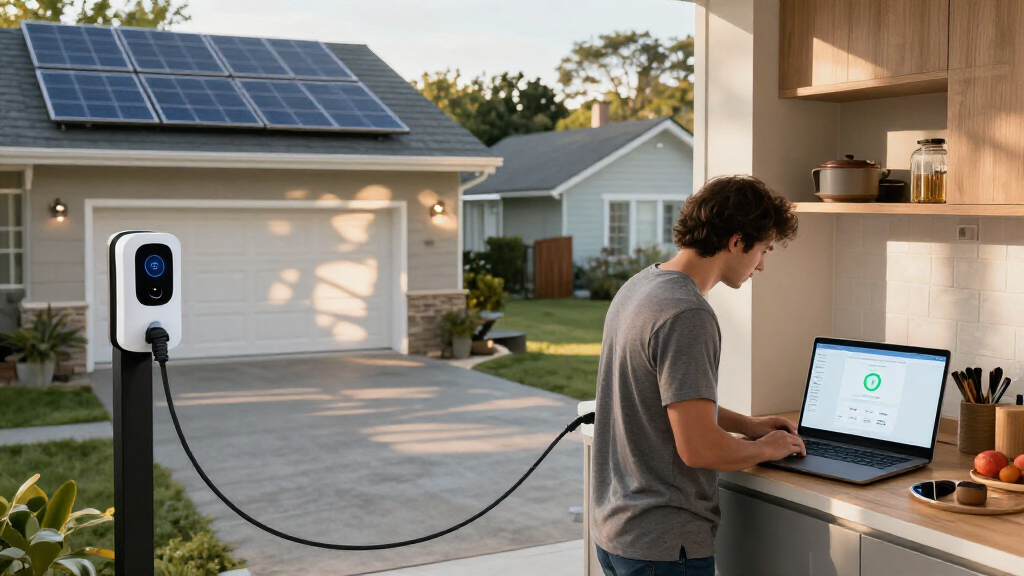
Heat pumps and electric boilers could replace fossil-fuel boilers.
Electric processes
Steel and iron producers could use electric arc furnaces and other lower-emissions processes.
Why the shift matters
Electrification links climate goals with energy security, while results depend on equipment and power sources.
- Some electric equipment, such as heat pumps, can use less energy than fuel-burning alternatives.
- Replacing imported oil and gas could reduce exposure to fuel-price volatility.
- Climate benefits depend partly on how electricity is generated.
- Grid cleanup, equipment costs and deployment affect progress.
What remains unresolved
The proposal sets a direction, but the source gives no delivery plan.
- Whether governments will adopt the goal, and whether it would be binding
- Which countries would be responsible and how progress would be measured
- How much investment, financing and sector-specific action would be needed
Electrification Links Climate and Energy Security
The proposal matters because it frames electrification as a way to change how energy is used across several major sectors, rather than treating clean power generation as the only part of the transition. If homes, vehicles and industrial processes can use electricity, they could benefit as power supplies become cleaner. The source notes that replacing equipment takes time, making early adoption relevant to future emissions reductions.
There is also a potential efficiency advantage. According to the source, burning fuel in a large power plant and using the electricity to run a heat pump can require less fuel than burning gas in a household boiler to provide comparable heat. The actual emissions impact depends on the power source and the equipment, so the claim should not be read as meaning every electric application is automatically emissions-free.
Reducing dependence on imported oil and gas may offer governments and households another reason to make the switch. Electrification could lower exposure to fuel-price volatility, but the source provides no estimate of how much the proposed global target would reduce imports, costs or emissions.
Popular right now

KitchenAid Artisan 5-Quart Tilt-Head Stand Mixer, White

Breville Barista Express Espresso Machine with Built-In Grinder, Brushed Stainless Steel

Ninja Foodi Smart 6-in-1 Indoor Grill and Air Fryer, 4 qt, FG551
As an affiliate, we earn on qualifying purchases.
From Current Use to 2035
The proposed benchmark is a substantial rise from the current share cited in the source: just over 20% of final energy demand is met by electricity today, compared with the organizers’ proposed 35% goal for 2035. Final energy demand refers here to energy used by end users, including in homes, transport and industry—not simply the electricity produced by power plants.
The source also describes a separate European Union plan announced in July: raising electricity’s share of energy use to 46% by 2040. That is an EU-specific target with a different date and scope from the COP31 proposal; it should not be treated as evidence that countries have agreed to the global goal.
Electrification is only one part of the broader emissions challenge. Its climate value depends on the pace of grid cleanup as well as the availability, cost and deployment of electric alternatives. The source presents the COP proposal as a push to expand electricity use while acknowledging that the power supply itself may still include fossil fuels.
Adoption and Delivery Remain Unclear
The source does not establish whether COP31 participants have accepted the proposed 35% target, whether it would be binding, or which countries would be responsible for meeting it. It also provides no implementation plan, interim milestones or method for measuring progress.
Other open questions include how quickly electricity grids can add cleaner generation and transmission, and whether households and industries can afford to replace existing equipment. The account offers no global cost estimate or breakdown by sector. Nor does it quantify the emissions reductions that would result under different electricity mixes.
The energy-security claims also lack supporting figures in the source: it does not specify the scale of fuel-price increases, the number of consumers switching to electric equipment, or how much those changes reduce imports. Those details would be needed to assess the proposal’s likely effects beyond its stated ambition.
Watch for a COP31 Decision
The next key development is whether COP31 governments turn the organizers’ proposal into an agreed conference goal. Any final language would clarify whether the 2035 figure is aspirational or carries a formal commitment, and whether it includes national plans or progress reporting.
Further details on sector targets, financing and grid investment would help show how the proposed increase could be achieved. Until those are available, the 35% figure is best understood as a proposed direction for global electrification, not a confirmed outcome or a forecast that the target will be met.
Key Questions
What did COP31 organizers propose?
They proposed a goal of meeting 35% of global final energy demand with electricity by 2035, compared with just over 20% today, according to the source.
Have countries agreed to the target?
The available source does not confirm that governments have adopted it. It describes an organizers’ proposal and does not provide final conference language.
Can electrification reduce emissions if electricity comes partly from fossil fuels?
It can, according to the source, because some electric technologies—such as heat pumps—can use less energy than equipment that burns fuel directly. The size of the benefit depends on the electricity mix and the technology used.
Why is electrification also linked to energy security?
Using electricity in place of imported oil and gas can reduce reliance on those fuels. The source cites consumer interest in electric stoves and cars in Europe and Asia, but gives no figures for the effect on imports.
What happens next?
Conference participants may decide whether to adopt or revise the proposal. The source does not state when a decision will be made or what implementation measures would accompany it.
Source: canarymedia.com