With Vehicle-to-Grid technology, your VW ID Buzz can become a mobile energy station that powers your home when needed. It uses two-way charging to store excess renewable energy and discharge it during peak times or outages. This system helps reduce energy costs, increases resilience, and supports a greener lifestyle. If you want to discover how your VW bus can become a smart energy partner, there’s much more to explore beyond this overview.
Key Takeaways
- The ID Buzz can use V2G technology to store and supply energy, potentially powering your home during outages or peak times.
- Its high-capacity batteries enable two-way energy flow, acting as a mobile energy storage system for residential use.
- Integrated with smart grid systems, the ID Buzz can optimize energy exchange based on real-time demand and renewable generation.
- V2G functionality allows the VW bus to reduce energy costs through smart charging and discharging strategies.
- Using the ID Buzz for home power helps support grid stability and promotes sustainable, renewable energy utilization.

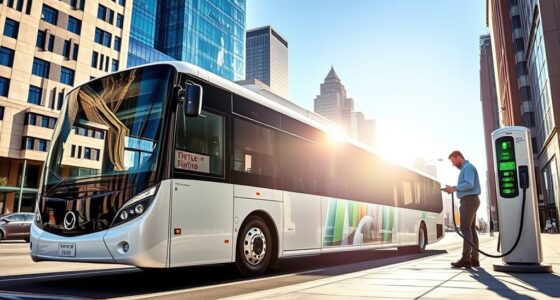
As electric vehicles become more integrated into our energy systems, the concept of Vehicle-to-Grid (V2G) technology is gaining momentum, offering a promising way to enhance grid stability and efficiency. With V2G, your EV isn’t just a mode of transportation; it becomes a powerful energy asset. This innovation relies heavily on battery integration, enabling your vehicle’s battery to communicate with the smart grid and supply power when needed. Imagine plugging in your ID Buzz, knowing that it can do more than just charge—it can serve as a mobile power station. When the grid experiences high demand, your VW bus could send stored energy back to support the system, helping to reduce strain and prevent outages. Conversely, during times of excess renewable energy production, your vehicle can take in additional power, assisting in balancing supply and demand seamlessly.
V2G transforms your ID Buzz into a mobile power station, supporting the grid and reducing your energy costs.
The smart grid plays an essential role in making this possible. It’s a sophisticated network that manages energy flow intelligently, using real-time data to optimize energy distribution. Your ID Buzz, equipped with advanced communication systems, becomes an active participant in this network. As you drive or park, your vehicle can coordinate with the grid to determine the best times to draw or send energy, maximizing efficiency and savings. This two-way energy exchange not only benefits the grid but can also lower your energy costs through smart charging and discharging strategies. You’re no longer just a consumer; you’re a part of a dynamic energy ecosystem that adapts to real-time needs.
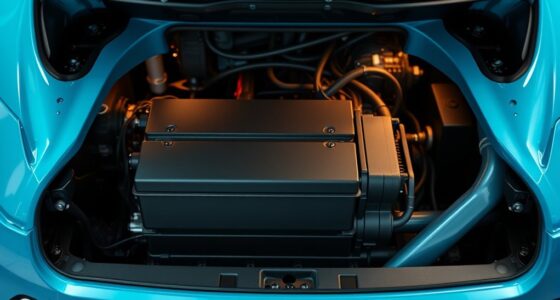
For your ID Buzz, battery integration is the foundation of V2G capabilities. The vehicle’s large, high-capacity battery is designed to handle frequent charge and discharge cycles without degradation, ensuring longevity and reliability. This integration allows your bus to store excess renewable energy—like solar or wind—and release it when demand peaks. As a result, you’re helping to stabilize the grid while potentially earning incentives or reducing your electricity bills. The ability to seamlessly switch between charging and discharging is fundamental, and advancements in battery technology enable this flexibility without compromising your vehicle’s primary function. Moreover, high refresh rates in the battery management system ensure smooth and efficient energy flow, minimizing wear and tear.
In essence, your VW ID Buzz isn’t just a stylish retro-inspired vehicle; it’s a smart, eco-friendly power partner. As V2G technology matures and battery integration becomes more refined, you’ll find yourself at the forefront of a cleaner, more resilient energy future. Your bus could very well power your home during outages or high-demand periods, transforming the way you think about transportation and home energy management. This synergy between your vehicle and the grid signifies a significant leap toward sustainable living, where mobility and energy generation work hand-in-hand to benefit both you and the planet.
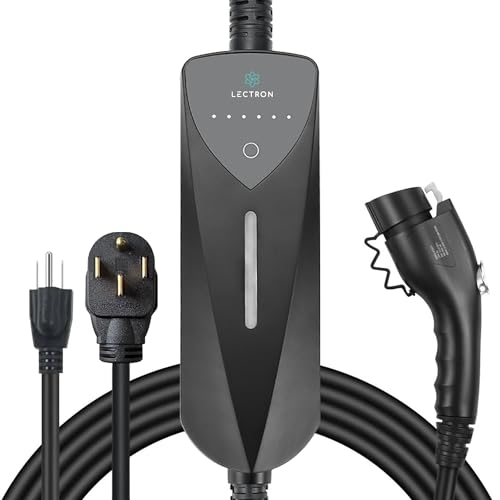
Lectron Level 1/2 (8A – 40A) J1772 Portable EV Charger – Dual-Level Electric Vehicle Charging Station with NEMA 14-50/5-15 Plug – Compatible with All J1772 EVs
DUAL-LEVEL CHARGING – This portable charging station comes with NEMA 5-15 and 14-50 plugs for dual-level charging. Easily…
As an affiliate, we earn on qualifying purchases.
As an affiliate, we earn on qualifying purchases.
Frequently Asked Questions
How Does Vehicle-To-Grid Technology Impact Vehicle Battery Lifespan?
You might wonder how vehicle-to-grid tech affects your battery lifespan. When you frequently charge and discharge your battery, it undergoes more charging cycles, which can lead to battery degradation over time. However, modern systems are designed to safeguard against wear, balancing usage to extend battery life. So, while V2G might slightly impact longevity, smart management helps ensure your battery remains healthy while powering your home or vehicle.
Can All VW ID Buzz Models Support Vehicle-To-Grid Features?
Imagine a future where your VW ID Buzz acts like a modern-day Pegasus, soaring beyond just transportation. Not all models support vehicle-to-grid features, so check the charging compatibility first. Support may vary depending on the model and software updates. Also, consider warranty considerations, as using V2G might affect your coverage. Always verify if your specific ID Buzz model is equipped for bidirectional charging before relying on it to power your home.
What Safety Measures Are in Place for Home Power Backup?
When using your vehicle for home power backup, safety is key. You should guarantee fire safety measures are in place, like proper circuit breakers and smoke detectors. Electrical grounding is essential to prevent shocks and short circuits. Manufacturers design these systems with safety in mind, but you must follow all guidelines, regularly inspect connections, and ensure proper grounding to protect your home and loved ones during power outages.
How Long Can the ID Buzz Power a Typical Household?
Imagine your home as a mighty ship, and the ID Buzz is the steady wind propelling it forward. With its battery efficiency, you could power your household for about 8 to 12 hours during an outage. The system helps maintain grid stability, ensuring your home stays safe and connected. Keep in mind, the actual duration depends on your energy consumption and the battery’s capacity.
Is Vehicle-To-Grid Integration Available Worldwide or Limited to Certain Regions?
You might wonder if vehicle-to-grid integration is available worldwide or limited to specific regions. It’s mostly limited by regional limitations and infrastructure development. Some countries have advanced smart grid systems and regulations supporting this technology, while others are still working on building the necessary infrastructure. So, your ability to use vehicle-to-grid features depends on where you live and how developed your local power grid is.

Power the Future: The Complete Guide to Battery Energy Storage Systems: From Home Solar to Grid-Scale Renewables, EVs, and the Business of Energy Storage
As an affiliate, we earn on qualifying purchases.
As an affiliate, we earn on qualifying purchases.
Conclusion
Imagine a future where your VW ID Buzz isn’t just a charming ride, but a gentle guardian of your home’s energy needs. With vehicle-to-grid technology, your bus could softly share its stored power, ensuring comfort even when the grid whispers fatigue. It’s a quiet dance of sustainability and convenience, where your beloved vehicle becomes a subtle partner in keeping your life running smoothly. A harmonious harmony, softly powering your world, one gentle ripple at a time.

AIMILER Level 2 Electric Vehicle (EV) Charger(WIFI APP/Plug-play), 32A, 25ft Cable ETL Certified, 220V-240V NEMA 14-50P Plug EVSE w/ J1772 Connector, Portable EV Car Charging Stations for Home Level 2
❤ [Equipped with Nema 14-50 plug 240V, Compatible with 110-120V Nema 5-15p to 14-50r EV Adapter(Not packaged) or…
As an affiliate, we earn on qualifying purchases.
As an affiliate, we earn on qualifying purchases.

EMPORIA Level 2 EV Charger w/ J1772 Connector — 48 Amp, 240V WiFi Enabled Electric Vehicle Charging Station, 25ft Cable, NEMA 14-50, Black
Up to 9x Faster Charging Speed: The Emporia electric vehicle charger provides up to 46 miles/hour charging speed…
As an affiliate, we earn on qualifying purchases.
As an affiliate, we earn on qualifying purchases.