
TL;DR

Get business pricing on monitors, keyboards and dev gear
- Business-only prices and quantity discounts
- Tax-exempt purchasing
- Multiple users, one account, clear invoices
Open Book Touch is a new open-source e-reader aimed at users seeking customizable and privacy-focused devices. It is now available for download, marking a significant step in open hardware projects.
The Open Book Touch, an open-source e-reader designed for customization and privacy, has been officially launched and is now available for download. This development marks a significant milestone in the open hardware community, offering an alternative to proprietary e-readers.
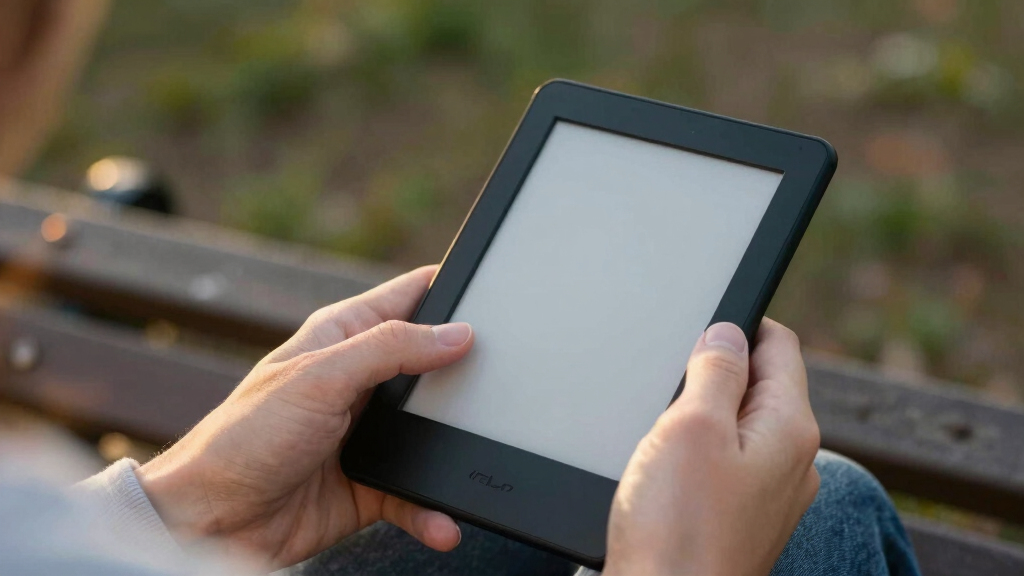
The Open Book Touch is a DIY-friendly e-reader that runs entirely on open-source software and hardware designs. Created by a team of developers and hardware enthusiasts, it aims to provide users with full control over their device, including software customization and hardware modifications.
The device features a 6-inch e-ink display, Wi-Fi connectivity, and support for various e-book formats. It is designed to be assembled by users with basic technical skills, with detailed instructions and open-source schematics available on its official repository. The project emphasizes user privacy, with no proprietary tracking or data collection involved.
Why Open Book Touch Represents a Shift in E-Reader Accessibility
The launch of the Open Book Touch is significant because it offers a fully open-source alternative to commercial e-readers, which are often closed systems. This development empowers users to modify, improve, and secure their devices according to personal preferences, fostering a community of customization and privacy-conscious reading.
It also signals a growing trend toward open hardware in the e-reader market, potentially influencing larger manufacturers to reconsider proprietary restrictions. For advocates of digital rights and user control, this project exemplifies how open-source hardware can challenge dominant commercial models and promote sustainable, user-centric technology.
As an affiliate, we earn on qualifying purchases.
Open-Source E-Readers Gain Momentum with New Launch
The concept of open-source hardware for e-readers has been developing over the past few years, with smaller projects and community-led initiatives. Prior efforts have included open schematics and software for existing devices, but few have reached a level of complete usability like the Open Book Touch.
This project builds on earlier open hardware movements, such as reMarkable and other DIY e-reader projects, but distinguishes itself through its comprehensive open-source approach, including hardware design, firmware, and software. The initiative aligns with broader trends toward privacy-focused and customizable technology, especially among tech enthusiasts and digital rights advocates.
“Our goal was to create a device that anyone can build, modify, and trust—without proprietary restrictions or tracking.”
— Alex Johnson, lead developer of Open Book Touch
As an affiliate, we earn on qualifying purchases.
Remaining Questions About Device Performance and Support
While the open-source project has been released publicly, it is still unclear how well the device performs in everyday use, particularly regarding battery life, software stability, and hardware durability. User feedback and independent reviews are yet to be published, and long-term support remains untested.
Additionally, it is not confirmed whether the project will receive ongoing development or if commercial support options will emerge. The community’s ability to maintain and improve the device over time is still uncertain.
As an affiliate, we earn on qualifying purchases.
Next Steps for Community Development and User Adoption
Developers and enthusiasts are expected to begin assembling and testing the device, sharing feedback and improvements through online forums and repositories. The project team plans to release updates based on user input and potentially expand hardware options.
Meanwhile, wider adoption depends on how well the device performs in real-world conditions and whether it gains traction among privacy-focused readers and DIY communities. Ongoing community engagement and independent testing will shape its future trajectory.
As an affiliate, we earn on qualifying purchases.
Key Questions
What hardware does the Open Book Touch use?
The device features a 6-inch e-ink display, Wi-Fi connectivity, and is designed to be assembled from open-source schematics provided by the developers.
Is the software proprietary or open-source?
The entire software stack, including firmware and applications, is open-source, allowing users to modify and customize their device freely.
Can I build the Open Book Touch myself?
Yes, detailed assembly instructions and hardware schematics are available online. Basic technical skills are required for assembly and setup.
Will there be official support or updates?
Support and updates are community-driven at this stage. The project team plans to release updates based on user feedback, but no official support channels are currently established.
How does this compare to commercial e-readers?
The Open Book Touch offers full customization, privacy, and transparency, unlike proprietary devices which often restrict user modifications and data control.
Source: hn
Columbus Day / Indigenous Peoples' Day Picks
long weekend sales
As an affiliate, we earn on qualifying purchases.