
TL;DR

Get business pricing on monitors, keyboards and dev gear
- Business-only prices and quantity discounts
- Tax-exempt purchasing
- Multiple users, one account, clear invoices
GitHub has announced that users can now request their public repositories on physical CD-ROMs. This development introduces a new offline access method for open-source code, though details about availability and process remain limited.
GitHub has officially announced that users can now request their public repositories on CD-ROM. This move introduces a physical medium for accessing open-source code, aiming to support offline use and archival needs. The service is currently available to users upon request, according to GitHub’s official statement.
According to GitHub, the new service allows users to receive a physical CD-ROM containing their public repositories. The company emphasized that this is an optional feature designed to facilitate offline access, archival preservation, and easier sharing in environments with limited internet connectivity. GitHub has not disclosed specific details about the process for requesting a CD-ROM, such as costs, turnaround times, or eligibility criteria.
GitHub’s announcement was made via their official blog and social media channels, with no mention of a broader rollout or partnership with physical media providers. The company highlighted that this is a pilot offering, and it is still assessing user demand and logistical considerations.
There is no indication that this service is intended to replace digital downloads or API access, but rather to complement existing methods by providing a tangible copy of open-source code repositories.
Potential Impact on Offline Access and Data Preservation
This development could expand options for offline data access and archival storage of open-source projects. It may appeal to organizations or individuals with limited internet connectivity or those prioritizing physical backups. However, the initiative’s success depends on user interest, costs, and logistical practicality, which are still unclear at this stage.
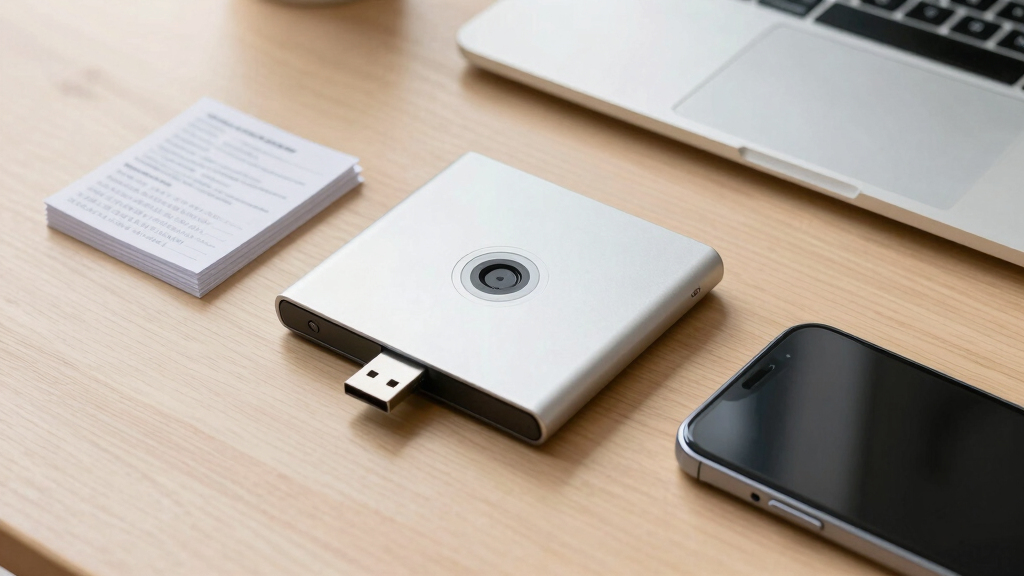
external CD-ROM drive for data backup
As an affiliate, we earn on qualifying purchases.
As an affiliate, we earn on qualifying purchases.
GitHub’s History of Supporting Open-Source Accessibility
GitHub has long been the dominant platform for hosting open-source code, with over 200 million repositories. Traditionally, access has been digital, via web interfaces, API, or downloads. The idea of providing physical copies is unprecedented for the platform, though physical media have historically been used for software distribution in the early days of computing. This move appears to be a niche offering aimed at specific use cases rather than a broad shift in distribution strategies.
Previously, GitHub has focused on improving online accessibility, security, and collaboration tools. The CD-ROM option emerges as a novel experiment, possibly inspired by archival needs or offline use cases in environments with restricted internet access.
“We are excited to offer a new way for users to access their open-source repositories offline through physical media.”
— GitHub spokesperson
archival CD-ROM discs for data storage
As an affiliate, we earn on qualifying purchases.
As an affiliate, we earn on qualifying purchases.
Details About Service Availability and User Demand Still Unclear
It remains unclear how widespread the availability will be, what the costs involved are, and how users can request a CD-ROM. GitHub has not provided specific timelines or eligibility criteria, and it is not yet confirmed whether this will become a permanent feature or remain a pilot program. The level of user interest and logistical feasibility are also unknown at this stage.
As an affiliate, we earn on qualifying purchases.
Monitoring User Response and Service Expansion Plans
GitHub is expected to monitor demand for the CD-ROM service and gather user feedback over the coming months. The company may expand or refine the offering based on initial uptake. Future updates could include details on ordering procedures, costs, and potential partnerships with physical media providers, but no official timeline has been announced.
As an affiliate, we earn on qualifying purchases.
Key Questions
Can I request a CD-ROM of any public repository on GitHub?
Details are not fully confirmed, but GitHub has announced the service as an option for users to obtain their public repositories. Specific request procedures and eligibility criteria are still unclear.
Is this service available worldwide?
It is not yet confirmed whether the CD-ROM service will be available globally or limited to certain regions. GitHub has not specified geographic restrictions at this stage.
Will there be a cost for receiving repositories on CD-ROM?
Pricing details have not been disclosed. It is currently unknown whether the service will be free or involve a fee to cover manufacturing and shipping costs.
Why is GitHub offering repositories on physical media?
GitHub states the goal is to support offline access, archival preservation, and sharing in environments with limited internet connectivity. The move appears to be an experimental addition rather than a primary distribution method.
Is this a permanent change to how GitHub distributes code?
There is no official confirmation that this will become a permanent feature. It is described as a pilot program, and further developments depend on user interest and logistical considerations.
Source: hn
Halloween Picks
halloween
As an affiliate, we earn on qualifying purchases.