
When selecting tires for heavy electric buses, guarantee they have high load ratings to support the bus’s weight and prevent premature wear or failure. Focus on low rolling resistance tires to boost efficiency and extend battery life, but don’t compromise safety for performance. Durability and noise reduction also matter for passenger comfort and maintenance costs. Keep these factors in mind, and you’ll find the best balance — more details on how to optimize your choices follow.
Key Takeaways
- Ensure tire load ratings match or exceed the bus’s weight to prevent premature failures and ensure safety.
- Choose tires with low rolling resistance to maximize energy efficiency and extend battery life.
- Opt for durable tires with reinforced sidewalls to withstand frequent stops and heavy loads.
- Consider noise-reducing tire designs to improve passenger comfort in urban electric bus operations.
- Balance load capacity, rolling resistance, durability, and noise features for optimal fleet performance.
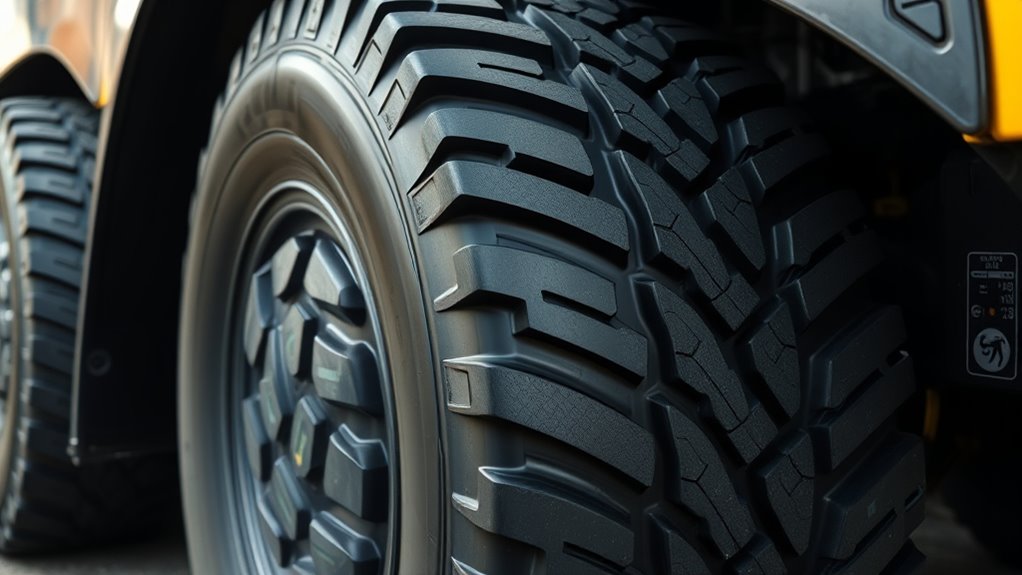
Choosing the right tires for heavy electric buses is crucial to guarantee safety, efficiency, and longevity. When selecting tires, you need to take into account load ratings carefully because electric buses are considerably heavier than traditional diesel models. High load ratings ensure that the tires can support the bus’s weight without risking blowouts or excessive wear. Proper load capacity also minimizes the risk of uneven tire wear, which can lead to costly replacements and potential safety hazards. Remember, under-sized tires may fail prematurely under the bus’s weight, while overloading can reduce tire lifespan and compromise safety. Always verify the tire’s load index matches or exceeds the bus’s weight specifications to maintain ideal performance.
Another critical factor is rolling resistance, which directly impacts energy efficiency and range. Electric buses rely heavily on battery power, so choosing tires with low rolling resistance can extend their operational range. Tires with refined tread patterns and compounds reduce the effort needed to keep the bus moving, saving energy and lowering operational costs. While focusing on load ratings, don’t forget to evaluate the tire’s rolling resistance ratings to ensure you maximize efficiency without sacrificing safety. Properly balanced tires with the right load capacity and low rolling resistance help you get the most from your electric bus’s battery life.
Tire durability plays a noteworthy role in the overall cost-effectiveness of your fleet. Heavy electric buses put constant stress on tires due to their weight, frequent stops, and acceleration. Selecting tires with high durability means they’ll withstand these stresses longer, reducing downtime and replacement costs. Look for tires built with robust sidewalls and high-quality rubber compounds designed to endure the rigors of public transit environments. Durable tires not only last longer but also maintain consistent performance, ensuring safety and comfort for passengers.
Noise reduction is another essential consideration. Electric buses are much quieter than diesel counterparts, so tire noise becomes more noticeable and can affect passenger comfort and urban noise levels. Choosing tires engineered for noise reduction can greatly improve the riding experience. These tires typically feature specialized tread designs and sound-absorbing materials that dampen road noise. While prioritizing load capacity and durability, don’t overlook noise reduction; it’s an important factor for urban operations where low noise levels are highly desirable. In sum, selecting tires with a good balance of load ratings, low rolling resistance, high durability, and noise reduction features will help you operate a safe, efficient, and comfortable electric bus fleet.
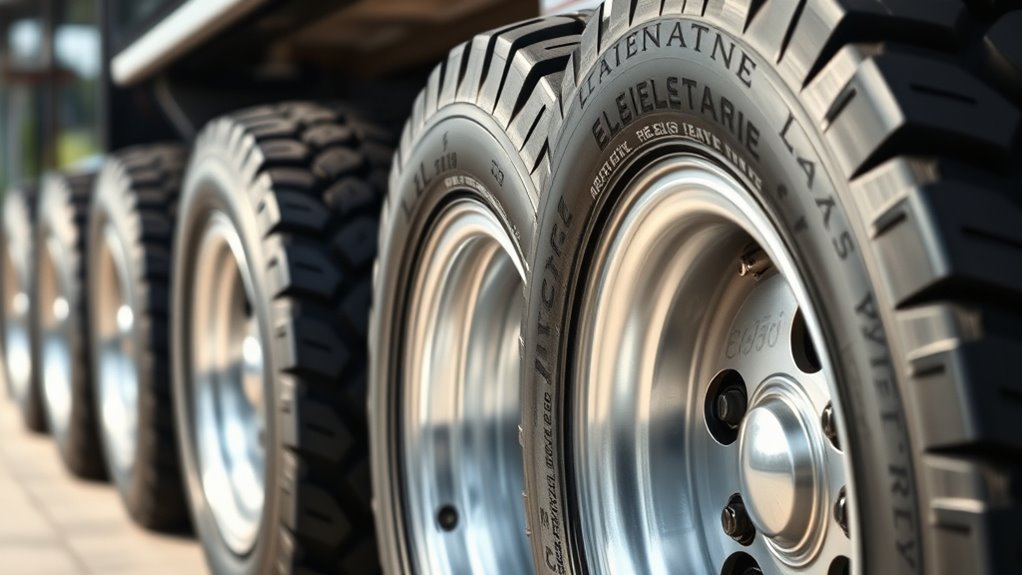
heavy electric bus tires with high load ratings
As an affiliate, we earn on qualifying purchases.
As an affiliate, we earn on qualifying purchases.
Frequently Asked Questions
How Do Tire Load Ratings Impact Electric Bus Safety?
Tire load ratings directly impact electric bus safety by ensuring the tires can handle the bus’s weight, including passengers and cargo. If the load rating is too low, tires can overheat, blow out, or fail under heavy loads, risking accidents. Properly rated tires improve stability and durability, reducing the chance of breakdowns. Prioritizing correct tire load ratings is essential for maintaining safe, reliable electric bus operation.
What Are the Best Tires for Minimizing Energy Consumption?
You want tires that slash energy use like a lightning bolt, and the best options feature optimized tread patterns and sleek sidewall designs. These elements reduce rolling resistance dramatically, making your electric bus glide effortlessly and consume less power. Look for tires with advanced tread patterns that minimize friction, and sidewall designs that cut drag. This combo is your secret weapon for maximum efficiency and extended driving range.
How Often Should Electric Bus Tires Be Rotated or Replaced?
You should rotate your electric bus tires every 6,000 to 8,000 miles to guarantee even tire tread wear and maximize lifespan. Regularly check and maintain proper tire inflation pressure, which helps prevent uneven wear and improves efficiency. Replace tires when tread wear indicators are visible or if you notice any damage, such as cuts or bulges. Consistent maintenance keeps your electric bus running safely and efficiently while extending tire life.
Are There Specific Tire Brands Recommended for Electric Buses?
Looking for reliable tire brand recommendations for your electric bus? Some top electric bus tire options include Michelin, Continental, and Bridgestone, known for their durability and performance. These brands offer options designed specifically for heavy loads and rolling resistance. Choosing the right tire brand can markedly impact efficiency and safety, so don’t settle for less—trust proven names that keep your electric bus running smoothly and reliably mile after mile.
How Does Tire Maintenance Influence Overall Bus Efficiency?
Proper tire maintenance greatly enhances your bus’s efficiency. When you keep tire inflation at recommended levels, you reduce rolling resistance, saving energy and extending range. Regularly check tread depth to guarantee ideal grip and safety, which also prevents uneven wear that can decrease performance. By maintaining your tires diligently, you help your electric bus operate smoothly, conserve energy, and ultimately improve overall operational efficiency.
low rolling resistance tires for electric buses
As an affiliate, we earn on qualifying purchases.
As an affiliate, we earn on qualifying purchases.
Conclusion
Choosing the right tires for heavy electric buses is like finding the perfect pair of shoes—you need the right fit to keep everything running smoothly. By focusing on load ratings and rolling resistance, you guarantee safety, efficiency, and longevity. Don’t underestimate these factors; they’re the backbone of your bus’s performance. When you select wisely, you’re steering your fleet toward a future that’s both eco-friendly and dependable—like a well-tuned engine propelling you forward.
durable reinforced sidewall tires for electric transit
As an affiliate, we earn on qualifying purchases.
As an affiliate, we earn on qualifying purchases.
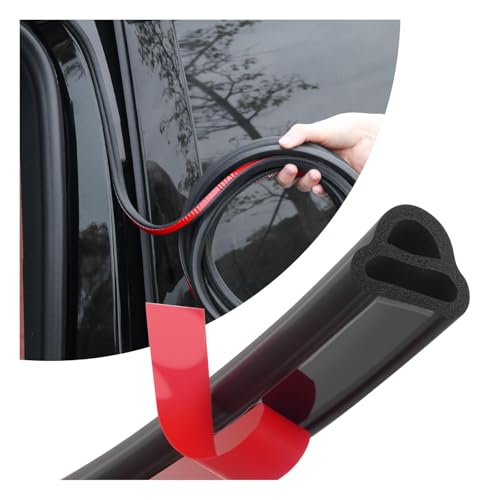
32.8Ft Rubber Car Door Seal Strip,Upgraded Double-Layer Automotive Weather Stripping for Dust & Water Protection,Noise Reduction,Universal Self-Adhesive Car Door Weather Stripping
- Noise Reduction: Blocks wind and road noise effectively
- Double-Layer Design: Provides superior sealing and protection
- Thickened Rubber: Offers durability and weather resistance
As an affiliate, we earn on qualifying purchases.
As an affiliate, we earn on qualifying purchases.