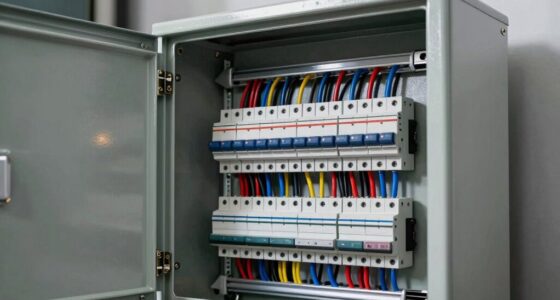
To manage software diagnostics effectively, focus on understanding fault codes by using diagnostic tools that offer detailed descriptions. Quickly identify whether issues relate to the battery or charging systems by interpreting specific fault codes. Prioritize repairs based on fault severity to minimize vehicle downtime and schedule proactive maintenance. Regularly update your diagnostic software and stay familiar with manufacturer-specific codes. If you stay attentive to these practices, you’ll uncover valuable tips to keep your electric buses running smoothly.

Get business pricing on monitors, keyboards and dev gear
- Business-only prices and quantity discounts
- Tax-exempt purchasing
- Multiple users, one account, clear invoices
Key Takeaways
- Regularly update diagnostic software to ensure accurate fault code detection and interpretation.
- Familiarize with manufacturer-specific fault codes to streamline troubleshooting processes.
- Use fault codes to identify whether issues are related to battery management or charging systems.
- Prioritize repairs based on fault severity to minimize bus downtime and maintain operational efficiency.
- Leverage detailed fault code descriptions to guide targeted troubleshooting, calibration, or component replacement.

Electric buses are becoming increasingly popular, but when fault codes appear, they can disrupt operations and reduce reliability. As a fleet manager or technician, you need to quickly interpret these codes to minimize downtime. Fault codes often point to issues within the vehicle’s systems, such as battery management or charging infrastructure. Understanding these codes helps you identify whether the problem stems from a faulty battery module, a malfunction in the charging system, or other electronic components. This knowledge allows you to prioritize repairs, schedule maintenance, and make certain that the bus returns to service promptly.
Electric bus fault codes help quickly identify issues and minimize downtime for reliable service.
Battery management plays a critical role in maintaining the health of your electric bus’s power source. Fault codes related to battery management can signify problems like overheating, cell imbalance, or degraded modules. When you see a fault code pointing to the battery system, it’s essential to analyze the specific message. For example, codes indicating high temperature might mean that the cooling system isn’t functioning properly or that the battery is being overused. Conversely, cell imbalance codes suggest that some cells are deteriorating faster than others, which could affect overall performance and range. By interpreting these codes accurately, you can determine whether a simple recalibration suffices or if a battery replacement is necessary.
Charging infrastructure is another common source of fault codes that can impact your bus operations. If your fleet relies on specific charging stations, codes related to charging hardware or communication errors between the bus and charger can appear. These might include issues like voltage irregularities, connector problems, or network communication failures. When such codes show up, it’s important to verify the charging station’s status, inspect connectors, and ensure proper network connectivity. Sometimes, the fault isn’t with the bus itself but with the charging infrastructure, which can be resolved by resetting the station or updating its software. AI security advancements are also increasingly being integrated into charging systems to enhance safety and reliability.
Efficiently managing these fault codes requires your familiarity with the diagnostic tools and software used by the vehicle manufacturer. Most systems provide detailed descriptions of fault codes, guiding you through troubleshooting steps. Using this information, you can determine whether a quick reset, calibration, or component replacement is needed. Regularly updating your diagnostic software and staying informed about common fault codes related to battery management and charging infrastructure will streamline your troubleshooting process. This proactive approach minimizes operational disruptions and maximizes your fleet’s reliability, ensuring your electric buses stay on the road longer and perform at their best.
As an affiliate, we earn on qualifying purchases.
Frequently Asked Questions
How Often Should Fault Code Data Be Reviewed for Maintenance?
You should review fault code data regularly, ideally during preventive scheduling intervals, to catch issues early. Frequent reviews help guarantee data accuracy and prevent minor problems from escalating. Depending on your bus usage, checking fault codes weekly or bi-weekly is recommended. Consistent monitoring allows you to plan maintenance proactively, reducing downtime and keeping the electric buses running smoothly. Stay vigilant to maintain peak performance and safety.
Can Fault Codes Predict Long-Term Electric Bus Performance Issues?
Fault codes can help predict long-term electric bus performance issues by indicating potential battery longevity problems early on. By analyzing these codes regularly, you can implement predictive maintenance strategies, addressing issues before they escalate. This proactive approach guarantees the battery remains healthy, extending its lifespan and maintaining peak bus performance. Monitoring fault codes consistently helps you catch emerging problems early, saving time and costs on repairs down the line.
What Training Is Needed for Staff to Interpret Fault Codes Effectively?
Think of yourself as a skilled navigator, charting a course through complex diagnostics. To do this effectively, you need technician certification and specialized diagnostic training. These programs teach you to read fault codes accurately and interpret their signals, much like deciphering a hidden language. With proper training, you’ll confidently identify issues early, ensuring smooth journeys and reliable electric bus performance.
Are There Software Tools That Simplify Fault Code Diagnosis?
Yes, there are diagnostic software tools that simplify fault code analysis. These programs provide user-friendly interfaces, helping you quickly interpret fault codes and identify issues in electric buses. They often include real-time data, troubleshooting guides, and step-by-step instructions, making diagnosis more efficient. By using advanced diagnostic software, you can reduce downtime and improve maintenance accuracy, ensuring your electric buses stay operational and safe.
How Do Fault Codes Differ Between Various Electric Bus Models?
Think of electric bus fault codes like languages—each model speaks its own dialect. Model-specific diagnostics and firmware variations mean fault codes can differ markedly between buses. For example, a code indicating a battery issue in one model might signal a different problem or use a different code in another. You need to understand each model’s unique diagnostic language to troubleshoot effectively, ensuring accurate repairs and minimizing downtime.
fault code reader for electric vehicles
As an affiliate, we earn on qualifying purchases.
As an affiliate, we earn on qualifying purchases.
Conclusion
As you interpret fault codes, remember that each one is like a signpost guiding you through the bus’s complex systems. Sometimes, a simple code reveals a hidden issue, much like finding a small key in a cluttered drawer that opens a larger mystery. By staying attentive and methodical, you’ll navigate these diagnostic clues smoothly, ensuring your electric bus runs reliably. In this dance of codes and solutions, every detail counts—guiding you toward safer, more efficient journeys.
battery management system diagnostic software
As an affiliate, we earn on qualifying purchases.
As an affiliate, we earn on qualifying purchases.
EV charging station troubleshooting kit
As an affiliate, we earn on qualifying purchases.
As an affiliate, we earn on qualifying purchases.
Halloween Picks
halloween
As an affiliate, we earn on qualifying purchases.