
To stop EV charging freeloaders effectively, RFID locks often offer faster, contactless access that’s easy to use and maintain, making them a popular choice for reliable security. App-based locks provide more flexibility and control but can be less straightforward and vulnerable to device issues or network problems. Whether you prioritize simplicity or advanced management depends on your needs, and exploring both options will help you pick the best solution to keep your station secure.
Key Takeaways
- RFID locks enable quick, contactless access, reducing the chance of freeloaders bypassing security measures.
- App locks offer flexible control but may be more vulnerable due to device and network security risks.
- RFID systems typically require higher upfront costs but provide proven physical security and reliable operation.
- App-based systems allow remote management and detailed user tracking, enhancing deterrence against freeloading.
- For simplicity and security, RFID locks are often more effective at preventing unauthorized charging and ensuring fair access.

Charge Wrap EV Electric Vehicle Car Charger Cover Protector Tesla Wall Charging Station Cable Cord Holder Lock Box Indoor Outdoor
Installs over already mounted wall charger. There is no need to remove the charger from the wall to…
As an affiliate, we earn on qualifying purchases.
As an affiliate, we earn on qualifying purchases.
What Are EV Charging Freeloaders and Why Do They Matter?
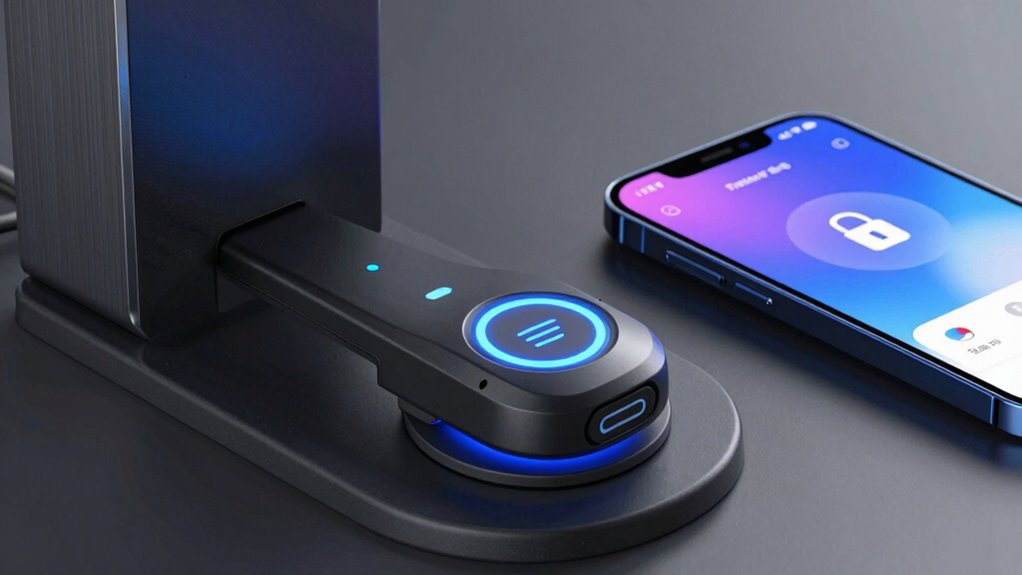
Have you ever wondered who benefits from free EV charging without paying? These are what we call EV charging freeloaders. They bypass proper charging etiquette, taking advantage of stations meant for paying customers. Freeloaders often neglect user authentication protocols, leaving stations occupied without authorization. This behavior disrupts fair access, especially during peak times when other drivers need to charge. Charging etiquette encourages users to only occupy stations as long as necessary and to disconnect once charged. When user authentication isn’t enforced, it becomes easier for freeloaders to misuse stations, depriving honest users of reliable charging options. Additionally, security measures are vital for maintaining system integrity and deterring unauthorized use. Implementing effective security protocols can help ensure that only authorized users access the stations, maintaining fairness and system reliability. Ensuring that proper access controls are in place is crucial for preventing abuse and promoting equitable use of charging resources. Utilizing technological solutions like RFID or app-based authentication can significantly reduce freeloading. Ultimately, freeloaders undermine the system’s integrity, making it harder for everyone to access charging resources efficiently. That’s why implementing proper security measures is essential to prevent this issue.

LENZ Charger Lock, 2-Pack for J1772 to Tesla Charging Adapter, Prevent Unplugging at Public Charging Stations, Compatible with Tesla Model X, Y, 3, S, Cybertruck with J1772 Adapter
SAFE AND SECURE: LENZ Charger Lock for J1772 to Tesla Charging Adapter prevents unwanted unplugging, ensuring not only…
As an affiliate, we earn on qualifying purchases.
As an affiliate, we earn on qualifying purchases.
How RFID Locks and App-Based Locks Help Prevent Unauthorized Access
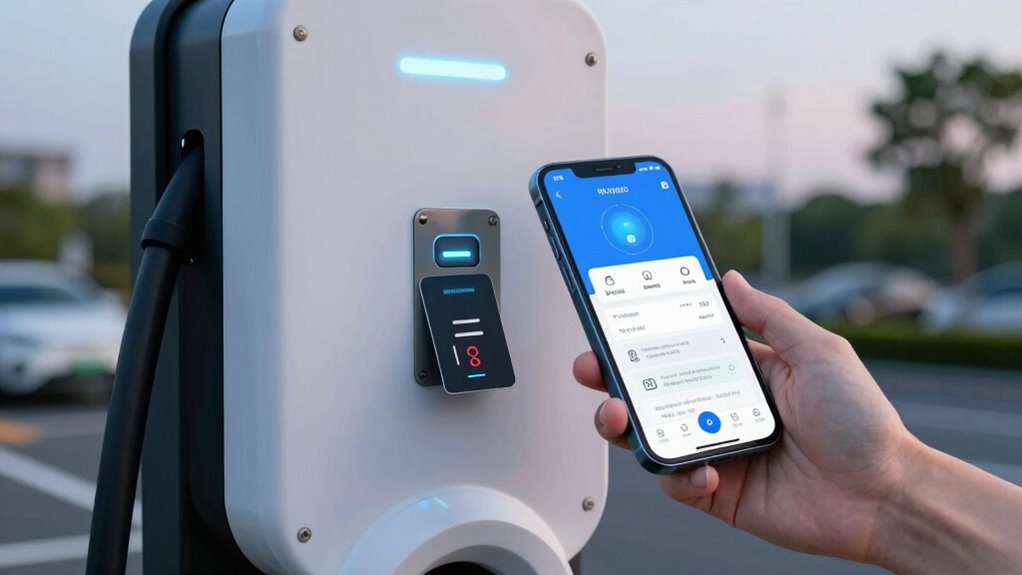
RFID locks and app-based locks offer smarter ways to control who can access your property. They strengthen security by using advanced access control methods that are hard to duplicate or bypass. These strategies help you prevent unauthorized entries and protect your assets effectively. Incorporating accessibility features can also make managing these locks easier for users of all abilities. Additionally, understanding security protocols ensures that your access system remains resilient against potential threats. Implementing real-time monitoring can further enhance security by providing immediate alerts for unauthorized attempts. Employing user management systems allows for more flexible and secure control over access permissions. Emphasizing robust encryption in your lock systems can further prevent hacking attempts and unauthorized access.
Access Control Methods
Both RFID locks and app-based locks enhance security by providing precise access control, guaranteeing only authorized individuals can enter. They do this through secure user registration processes, where you set up unique credentials. For RFID locks, access is granted via RFID cards or tags linked to your account, making it easy to manage who can unlock the station. App-based locks require users to authenticate through their smartphones, often using PINs or biometric verification. These methods streamline payment options, allowing users to pay directly through the app or with linked payment methods, reducing the risk of unauthorized usage. Additionally, implementing access management systems helps monitor and restrict station access more effectively. By controlling access with user registration and secure payment methods, you minimize freeloaders and guarantee that only verified users can access the charging station. Incorporating real-time monitoring can further enhance security by alerting you to any unauthorized attempts or suspicious activity at the station. Leveraging security protocols ensures data protection and prevents hacking attempts, making the system more robust against potential threats. Moreover, adopting encryption standards safeguards sensitive information during data transmission, further strengthening your station’s defenses against cyber threats. To improve overall security, integrating multi-factor authentication adds an extra layer of verification, ensuring only legitimate users gain access.
Security Enhancement Strategies
To prevent unauthorized access, RFID and app-based locks employ multiple security strategies that actively monitor and control entry attempts. They enhance security through robust user authentication methods, ensuring only authorized users can activate charging stations. RFID systems verify identity via unique tags, while app locks require secure login credentials, often with multi-factor authentication. These locks also offer flexible payment options, reducing the risk of fraudulent transactions. If multiple failed authentication attempts occur, the system can lock out the user or alert administrators, preventing unauthorized use. Continuous monitoring helps detect suspicious activity, allowing quick response to potential breaches. Additionally, the integration of encryption protocols can further safeguard user data during transmission and storage, enhancing overall security. Employing multi-layered security measures ensures comprehensive protection against hacking or cloning attempts. By integrating secure user authentication and versatile payment options, RFID and app-based locks considerably reduce the chances of freeloaders accessing EV charging stations illegitimately. Additionally, implementing advanced fabric technology can enhance the durability of security components, ensuring long-term reliability in various environmental conditions. Incorporating regular security updates is crucial to address emerging vulnerabilities and maintain a robust defense system. Incorporating real-time threat detection also plays a vital role in identifying and mitigating security breaches promptly.

Victron Energy EV Charging Station, 170-265 VAC 22 kW, Electric Vehicle Charger, Wi-Fi and Bluetooth Enabled
As an affiliate, we earn on qualifying purchases.
As an affiliate, we earn on qualifying purchases.
Which Lock System Is Easier to Use and Offers Better Convenience?
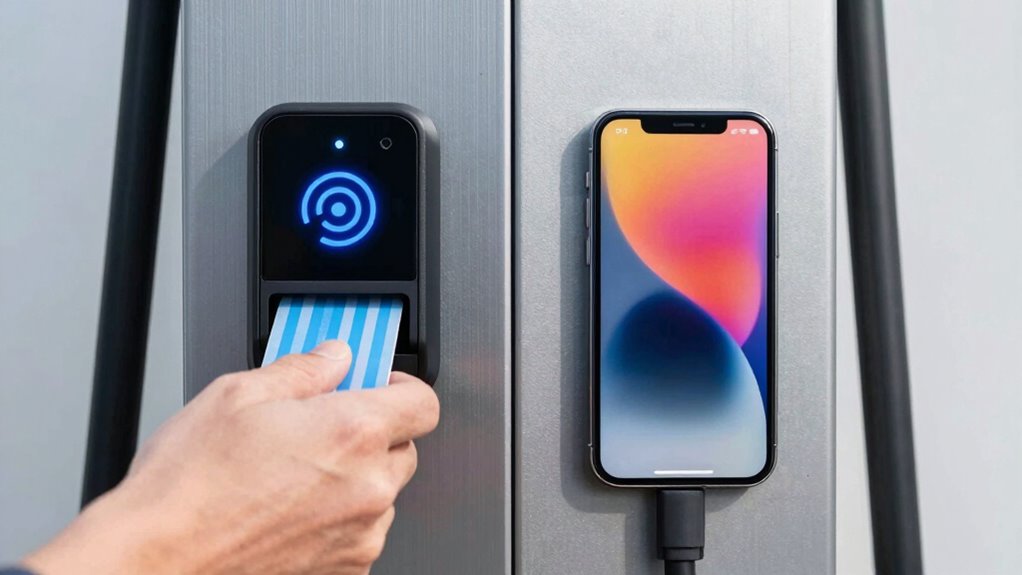
When it comes to ease of access, you want a system that’s quick and simple to operate. Setup should be straightforward, so you don’t waste time installing or learning how to use it. Operational flexibility matters too, giving you options to control access easily whenever you need. Additionally, choosing a system with reliable cabling solutions can help prevent connection failures and ensure consistent performance. Incorporating user-friendly interfaces can further streamline the process, making it easier for all users to operate the system confidently. Ensuring robust security protocols are in place can also help protect against unauthorized access and potential vulnerabilities. Considering system scalability is important to accommodate future needs or expansions without overhauling your setup. Moreover, selecting a system with easy maintenance can save time and reduce operational disruptions over the long term.
Ease of Access
Choosing between RFID and app locks often comes down to how easily and quickly you can access your secured space. RFID locks offer a simple, contactless experience—you just swipe your card or fob, and you’re in. This minimizes accessibility challenges, especially if you’re in a hurry or have limited technical skills. On the other hand, app locks require unlocking your smartphone, opening the app, and possibly entering credentials, which can be less intuitive and slower. Your user experience with RFID tends to be smoother, especially in situations where quick access is vital. If convenience and minimal effort matter most to you, RFID locks generally provide better ease of access, making them ideal for frequent use and fast, hassle-free entry.
Setup Simplicity
Setting up an RFID lock is typically straightforward because it involves minimal steps—just attach the card or fob and program it if needed. You usually don’t have to deal with complex configurations; simply register the RFID device to the system. In contrast, an app lock requires downloading an app, creating an account, and setting up user authentication, which can take more time. If you prefer quick installation, RFID offers a clear advantage. Additionally, RFID systems often use an access code as a backup, making setup even simpler. Overall, RFID locks are more user-friendly during installation, providing a hassle-free experience. App locks, while versatile, demand more initial effort, making RFID the more convenient choice for setup simplicity.
Operational Flexibility
RFID locks generally offer greater operational flexibility because they allow quick access without needing to unlock a smartphone or open an app. You simply present your RFID card or tag, enabling seamless access and reducing wait times. This simplicity enhances access protocols, especially in busy charging stations. Additionally, RFID systems often have better power management, as they consume less energy during operation and require minimal maintenance. With fewer steps involved, you can manage charging sessions more efficiently, even in situations where internet connectivity is limited. This ease of use makes RFID locks more adaptable to various environments, providing a reliable and straightforward solution for users who prioritize convenience and quick access. Overall, RFID offers a more flexible and user-friendly experience for EV charging security.
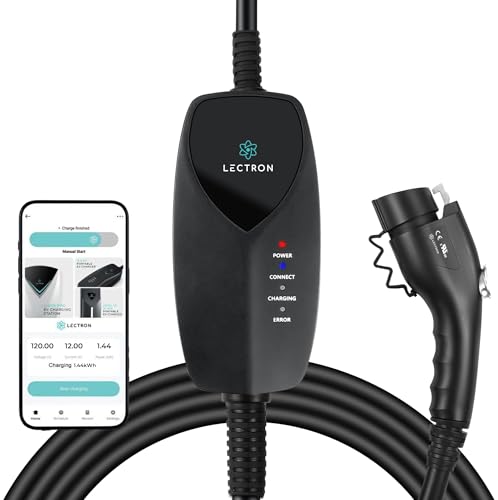
Lectron Portable Level 1 J1772 EV Charger with Wi-Fi/App Control – 12 Amp, 120V Portable Charger with NEMA 5-15 Plug, 16ft Charging Cable – for J1772 Electric Vehicles ONLY
SMART WIFI & APP CONTROL – This portable Wifi-enabled EV charger allows you to keep tabs on your…
As an affiliate, we earn on qualifying purchases.
As an affiliate, we earn on qualifying purchases.
How Do RFID and App Locks Compare in Cost, Deployment, and Maintenance?
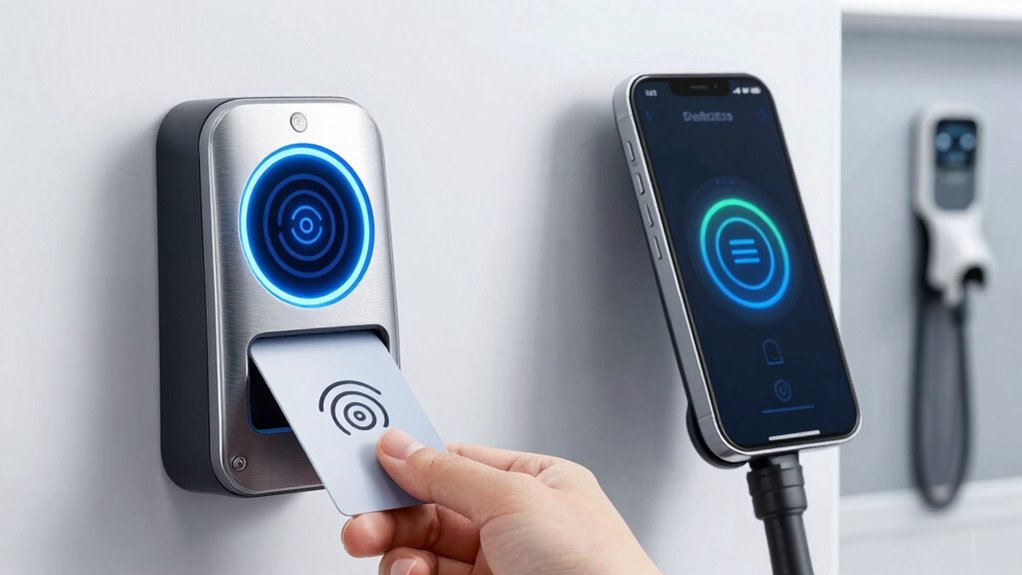
When comparing RFID and app locks, cost, deployment, and maintenance are key factors to contemplate. RFID systems often have higher upfront costs due to hardware like cards and readers but require minimal ongoing expenses. They provide quick user authentication through contactless payment methods, making access straightforward. App locks typically have lower initial costs since they rely on existing smartphones, but you may face subscription fees for management software. Deployment for RFID can be faster, especially in large networks, since hardware installation is straightforward. Maintenance involves periodic hardware checks and updates. Conversely, app locks need regular software updates and user support, which can add to ongoing costs. Consider your station’s size, user base, and preferred payment methods to determine the most cost-effective choice.
Are RFID or App Locks More Secure and Reliable for Your Station?
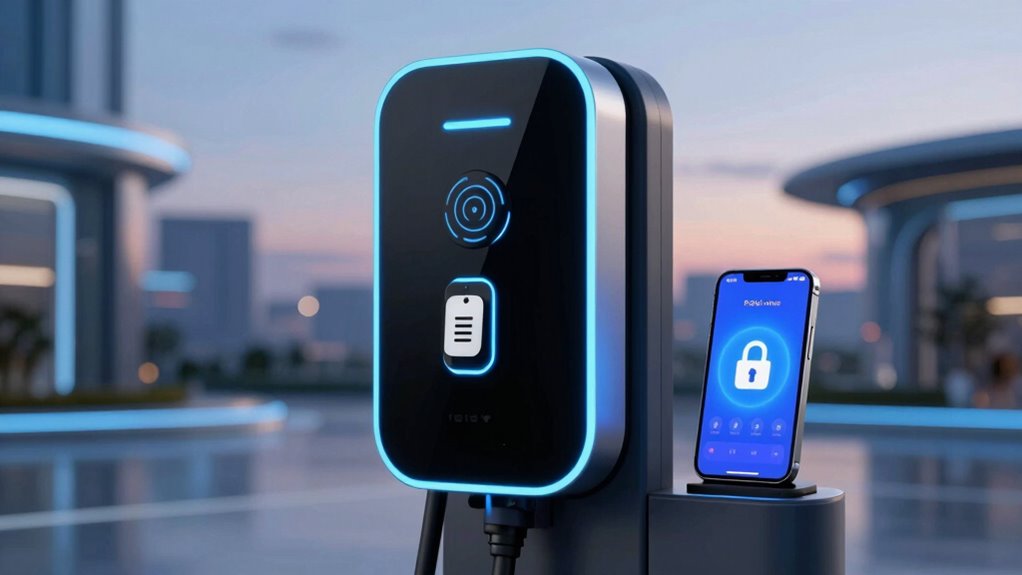
While both RFID and app locks offer secure access solutions, their reliability depends on various factors. RFID systems excel with quick, contactless user authentication, reducing entry errors. They also support remote monitoring, so you can track station activity in real-time, ensuring consistent security. App locks, on the other hand, rely on digital credentials and smartphone security measures, which can be more susceptible to hacking or user error. However, they often provide more flexible user authentication options and detailed usage logs. Ultimately, RFID offers proven physical security and ease of remote management, while app locks depend on device security and network stability. Your choice should consider which system aligns best with your station’s security needs and monitoring capabilities.
What Factors Should You Consider When Choosing Between RFID and App Locks?
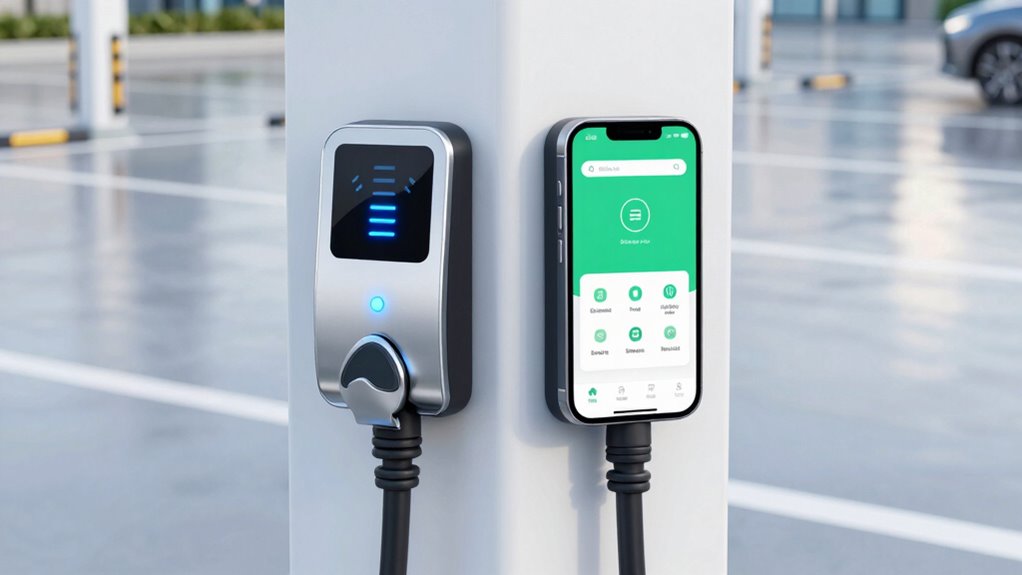
Choosing between RFID and app locks depends on several key factors that align with your security needs and operational preferences. One important consideration is battery capacity; if your lock system relies on battery power, you want a solution that conserves energy and minimizes maintenance. Charging speed also matters—if quick access is essential, an app lock might provide faster, instant unlatching through your smartphone. RFID systems tend to be more straightforward and durable, ideal for environments where simplicity and reliability are priorities. Additionally, consider user convenience: app locks can offer remote management and real-time access control, while RFID requires physical tags. Evaluating these factors will help you select the system that best matches your station’s operational demands and user experience goals.
Which Lock System Is Best to Stop EV Charging Freeloaders?
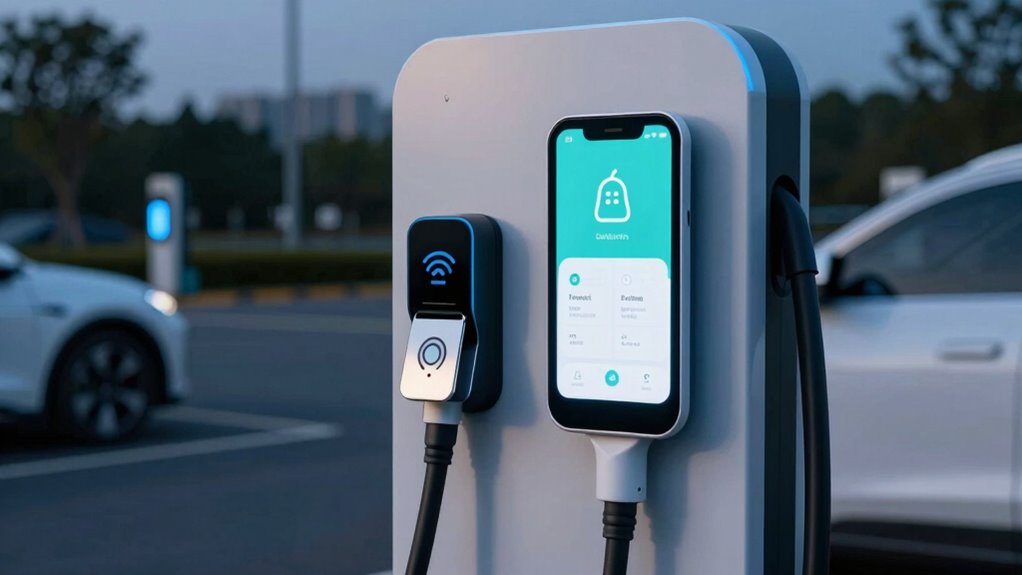
To effectively stop EV charging freeloaders, selecting the right lock system is essential. You need a solution that guarantees payment security and reliable user authentication. RFID locks offer quick, secure access with encrypted data, making it hard for freeloaders to bypass. App locks, on the other hand, allow remote management and real-time user verification, adding an extra layer of security. Consider these factors when choosing:
- How well the system prevents unauthorized access
- The ease of user authentication process
- Payment security measures in place
- Compatibility with your existing infrastructure
Both systems can be effective, but prioritizing payment security and robust user authentication will give you the best defense against freeloaders. The right lock system ensures only authorized users access your charging stations.
Final Tips: Picking the Right Access Control for Your EV Charging Station
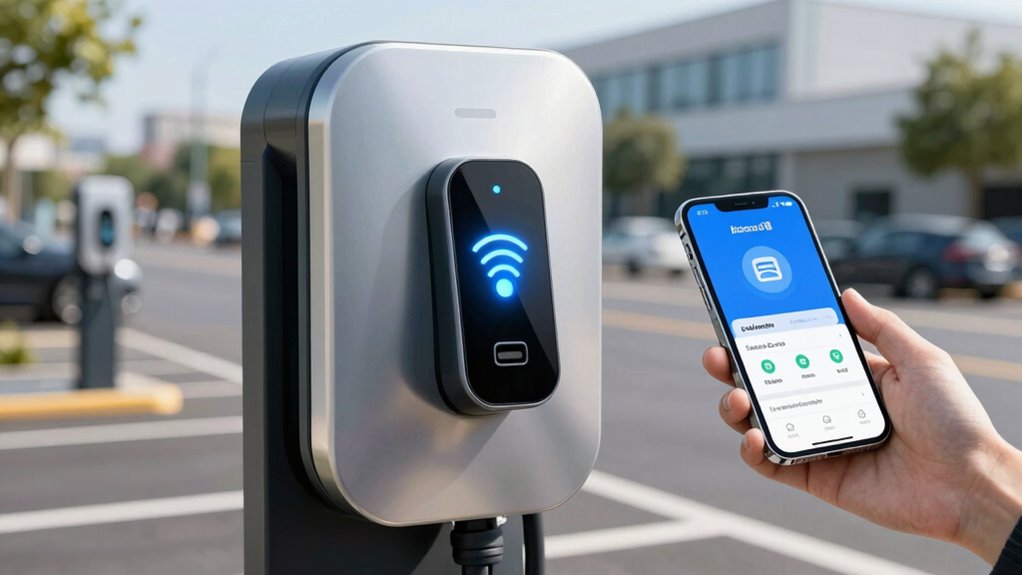
Selecting the right access control system for your EV charging station directly impacts security, user convenience, and operational efficiency. Focus on wireless connectivity to guarantee seamless, real-time management and remote updates. Consider systems that offer robust user authentication methods, such as RFID or app-based login, to prevent unauthorized access. A reliable access system should support multiple authentication options to accommodate different users. Ease of use is key—choose a solution that simplifies user entry without sacrificing security. Compatibility with your existing infrastructure and future scalability are also essential. By prioritizing wireless connectivity and strong user authentication, you make certain your charging station remains protected, accessible, and efficient for all authorized users.
Frequently Asked Questions
Can RFID or App Locks Be Integrated With Existing Station Management Software?
Yes, RFID and app locks can be integrated with your existing station management software. You need to check their integration compatibility and verify they support software synchronization. Most modern systems offer API access or compatible plugins, making it easier to connect and streamline operations. This integration helps you monitor usage, control access, and prevent freeloaders more efficiently, ultimately improving your station’s management and user experience.
How Do User Privacy Concerns Differ Between RFID and App-Based Systems?
You might find that 60% of users prefer app-based systems because they offer better user anonymity and control over data. App systems typically use data encryption to protect personal info, reducing privacy concerns. RFID systems, however, may store identifiable info on cards or tags, raising privacy risks. Overall, app-based locks give you more privacy control, making them a better choice if safeguarding user data is your priority.
What Are Common Troubleshooting Issues With RFID and App Lock Systems?
You might face troubleshooting issues with RFID and app lock systems, especially regarding user authentication failures or signal interference. For RFID, guarantee your badge or card is properly registered and check for physical obstructions. In app lock systems, verify your internet connection and update the app regularly. Signal interference can disrupt communication, so keep devices away from electronic noise sources. Regular maintenance and troubleshooting can help keep your charging station secure and functional.
Are There Specific Environmental Conditions That Affect RFID or App Lock Performance?
Imagine you’re installing an RFID system at a charging station, and a sudden storm causes signal interference, disrupting performance. Environmental conditions like extreme temperatures, moisture, and physical obstructions can impact RFID and app lock durability. Signal interference from nearby devices or metal structures also hampers accurate communication. To guarantee reliable operation, choose systems designed for environmental durability and minimize interference risks, keeping your EV charging stations accessible and secure.
How Scalable Are RFID and App Lock Solutions for Expanding Charging Networks?
You’ll find RFID and app lock solutions generally scalable for expanding charging networks, but it depends on your expansion strategies. RFID systems are easier to deploy across multiple stations quickly, but they face scalability challenges if you need complex access controls. App locks offer greater flexibility and remote management, making them suitable for large-scale networks. To expand effectively, consider your user base, infrastructure, and the integration ease of each system.
Conclusion
Choosing between RFID and app locks is like selecting a trusted guardian for your charging station. Both act as shields against freeloaders, ensuring your investment’s security. Think of it as your personal David and Goliath—arming yourself with the right lock can turn the tide in your favor. Trust your instincts, weigh your needs, and remember, the right access control isn’t just a lock—it’s your station’s unwavering protector in the fight for fairness.