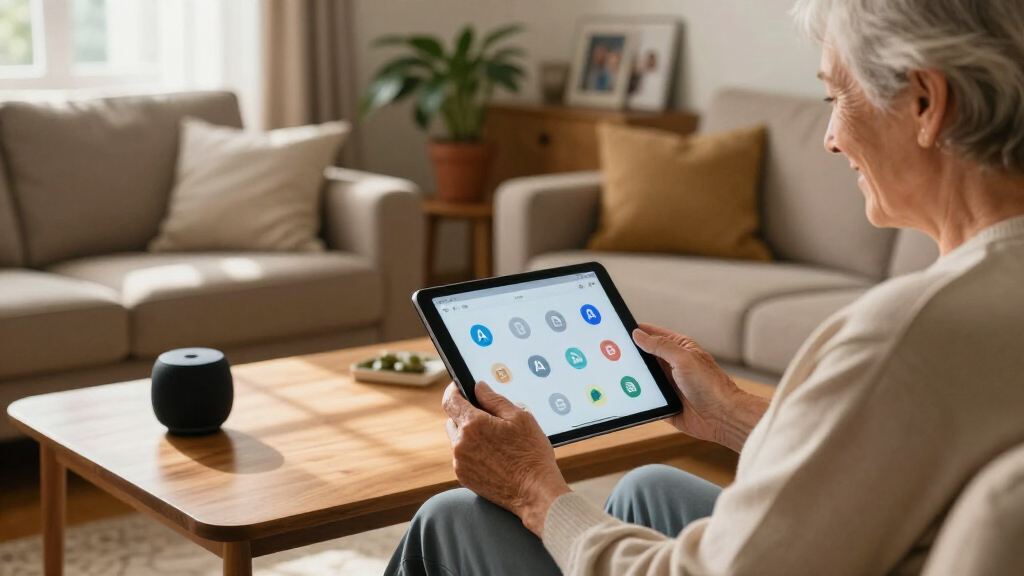

🔍 Read the full analysis: Bridging The Generation Gap: Helping Seniors Use AI In Daily Life on ThorstenMeyerAI.com

Get business pricing on monitors, keyboards and dev gear
- Business-only prices and quantity discounts
- Tax-exempt purchasing
- Multiple users, one account, clear invoices
TL;DR
OpenAI has released new guidance to assist seniors in using AI tools for daily activities. The initiative aims to make AI more accessible for older adults, who are a rapidly growing user group but face unique challenges.
OpenAI has released a new guidance document titled “Helping older adults use AI in everyday life,” aimed at making AI tools more accessible for seniors. This initiative emphasizes practical uses such as health management, staying connected, and simplifying bureaucratic tasks, reflecting a strategic push to include an aging demographic in AI adoption.
The guidance highlights how AI assistants like ChatGPT can support older adults by addressing common challenges such as mobility, vision, or memory issues that hinder traditional technology use. While specific features or programs have not been detailed, OpenAI’s approach suggests a focus on natural language interfaces that eliminate usability barriers. The move aligns with broader industry efforts to target the rapidly growing population of internet-savvy seniors, who are often underserved by mainstream AI products. The publication appears part of OpenAI’s broader strategy to produce tailored guidance for diverse user groups, although full details of the program remain unconfirmed, including any specific safety measures or adoption metrics.It is not yet clear whether the guidance includes dedicated AI features, partnerships, or safety protocols for seniors. No new product announcements or research findings have been verified from the publication, and the full text remains unavailable for independent review. Industry observers note that this effort could signal future product developments such as voice-first interfaces, cognitive support features, and family account management tools aimed at older users.Why AI Accessibility for Seniors Is a Growing Priority
This initiative matters because older adults represent a significant and expanding segment of internet users, yet they are often excluded from mainstream AI product design. Facilitating AI adoption can help seniors maintain independence, reduce social isolation, and manage health-related tasks more effectively. However, it also raises concerns about digital literacy, safety, and vulnerability to scams, making responsible guidance crucial. The move by OpenAI underscores the importance of designing AI that is both accessible and secure for vulnerable populations, influencing industry standards and public policy debates around AI safety and inclusivity.voice-activated AI assistant for seniors
As an affiliate, we earn on qualifying purchases.
As an affiliate, we earn on qualifying purchases.
The Demographic Shift and Tech Industry Responses
The global population aged 65 and older is growing rapidly, with projections indicating that by 2030, seniors will constitute over 20% of the population in many countries, including the U.S., Europe, and East Asia. Historically, technology companies have targeted younger users with simplified devices, but recent trends show a shift toward integrating older adults into AI ecosystems. Since the launch of ChatGPT in late 2022, surveys indicate increased AI usage among those over 50, primarily for health questions, communication, and search tasks. Despite this growth, adoption remains uneven, partly due to usability barriers and safety concerns. Industry efforts now focus on natural language interfaces that can bridge the usability gap, with OpenAI’s new guidance representing a strategic move to influence this transition.senior-friendly health management app
As an affiliate, we earn on qualifying purchases.
As an affiliate, we earn on qualifying purchases.
Unconfirmed Details About Program Scope and Safety Measures
It remains unclear whether OpenAI’s guidance involves specific safety protocols, targeted features, or partnerships aimed at protecting seniors from online scams and fraud. The full content of the guidance has not been publicly released, and no official safety standards or measurable adoption goals have been announced. Industry analysts note that further details are needed to assess the program’s potential impact fully.AI-powered device for elderly communication
As an affiliate, we earn on qualifying purchases.
As an affiliate, we earn on qualifying purchases.
Expected Developments in AI Tools for Older Adults
In the coming months, industry observers anticipate the rollout of dedicated AI features such as voice-activated interfaces, memory aids, and family-controlled account setups tailored for seniors. Additionally, independent research may explore whether these tools effectively reduce loneliness and improve health outcomes. Regulatory bodies are also expected to scrutinize safety standards and ethical considerations for vulnerable users, including older adults. OpenAI and other tech firms are likely to release more detailed guidance, safety protocols, and product updates aligned with this initiative.As an affiliate, we earn on qualifying purchases.
Key Questions
What specific AI features are being developed for seniors?
While detailed features have not been publicly confirmed, industry speculation suggests future developments may include voice-first interfaces, cognitive support tools, and family account management options to assist with setup and safety.
How will safety concerns like scams be addressed?
OpenAI’s guidance emphasizes safe usage, but specific safety measures such as fraud warnings or caregiver controls have not yet been detailed. The industry recognizes the importance of integrating security features for vulnerable users.
Will this initiative lead to dedicated AI products for seniors?
The guidance appears to be a strategic step toward broader product development, but no dedicated products or features have been officially announced. Future updates may clarify this direction.
How can families support seniors in using AI tools?
Family members and caregivers can assist by setting up devices, explaining safety practices, and encouraging regular use of AI for health management, communication, and entertainment.
Is there evidence that AI helps improve seniors’ quality of life?
Current research is limited; while anecdotal reports suggest benefits like reduced loneliness and better health management, rigorous studies are ongoing to verify these claims.
Primary source: OpenAI · via ThorstenMeyerAI.com
Halloween Picks
halloween
As an affiliate, we earn on qualifying purchases.