
Bus maintenance impacts the environment through proper management of fluids, materials, and waste. Using eco-friendly lubricants and recycling fluids like oil and coolant reduces pollution and conserves resources. Regular inspections prevent leaks and spills, while proper waste disposal prevents soil and water contamination. Training staff on sustainable practices guarantees consistent environmental responsibility. Continued efforts in these areas can lead to cleaner transportation practices—discover more ways to minimize your overall environmental footprint.
Key Takeaways
- Using eco-friendly lubricants reduces emissions, toxicity, and water contamination during bus maintenance.
- Proper recycling of fluids and materials minimizes landfill waste and conserves resources.
- Routine inspections prevent leaks and spills, decreasing environmental pollution.
- Staff training ensures consistent application of sustainable practices, enhancing overall environmental responsibility.
- Adoption of innovative, sustainable materials and methods supports industry standards and long-term environmental benefits.

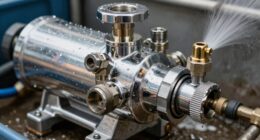
Bus maintenance plays a essential role in reducing the environmental footprint of public transportation. Every decision you make—whether it’s choosing the right lubricants or managing waste—can profoundly impact the environment. One effective way to minimize harmful emissions and pollution is by using eco friendly lubricants. These lubricants are formulated to be biodegradable, non-toxic, and free from hazardous chemicals, making them a safer choice for the environment and maintenance staff alike. Switching to eco friendly lubricants not only reduces the risk of soil and water contamination but also helps lower the overall carbon footprint of bus operations. When you prioritize these alternatives, you’re actively contributing to a cleaner, greener transportation system.
Eco-friendly lubricants reduce emissions, protect water sources, and support sustainable bus maintenance practices.
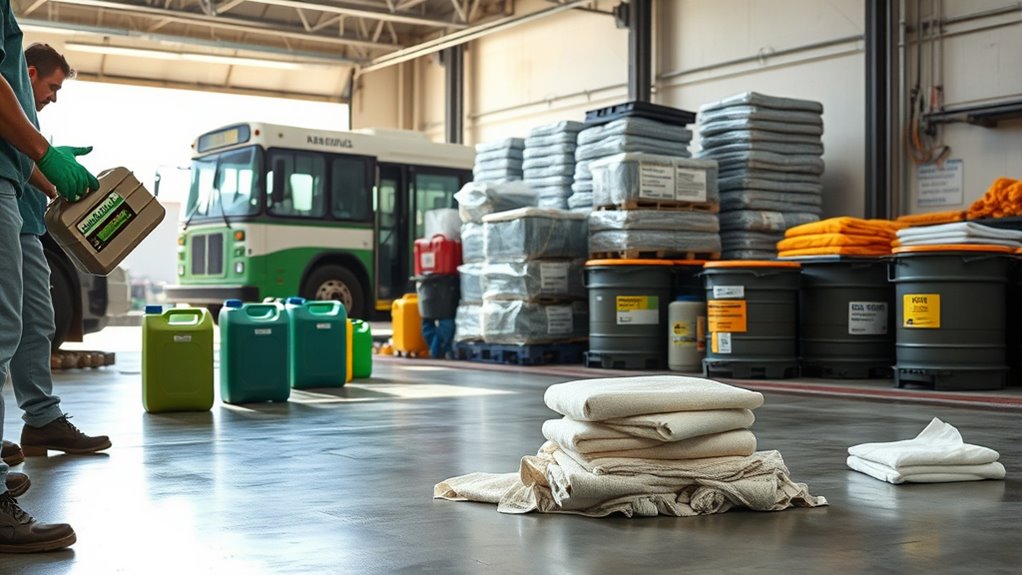
Recycling practices are equally essential in sustainable bus maintenance. Proper disposal and recycling of used fluids, such as engine oil, coolant, and brake fluid, prevent harmful substances from polluting the environment. You should guarantee that used fluids are collected in designated containers and sent to certified recycling facilities. This process reduces waste and conserves valuable resources by allowing materials to be reprocessed into new products. Additionally, recycling practices extend beyond fluids; components like batteries, tires, and metal parts should also be sorted and recycled according to local regulations. Implementing a strict recycling protocol not only minimizes landfill waste but also demonstrates your commitment to environmental responsibility.
To further enhance eco-friendly maintenance, you can adopt a routine inspection schedule that helps identify leaks or worn parts early. Catching issues before they escalate prevents unnecessary fluid spills and reduces waste. Regular maintenance also improves fuel efficiency, which in turn lowers emissions. Simple measures like cleaning filters and monitoring tire pressure ensure buses operate at best efficiency, reducing environmental impact over time. You should also train maintenance staff on sustainable practices, emphasizing the importance of eco friendly lubricants and recycling efforts. Education ensures everyone understands their role in maintaining environmentally responsible bus operations.
Incorporating these strategies into your maintenance routine creates a more sustainable operation overall. Choosing eco friendly lubricants and adhering to recycling practices may require initial effort and investment, but the long-term environmental benefits are undeniable. These actions contribute to reducing pollution, conserving resources, and promoting a healthier planet. Additionally, staying informed about innovative maintenance materials can further improve sustainability. Your commitment to environmentally conscious practices can influence industry standards and inspire others to follow suit. Every small step taken toward greener maintenance helps move public transportation closer to a sustainable future, making a tangible difference for communities and the environment alike.
eco friendly bus lubricants
As an affiliate, we earn on qualifying purchases.
As an affiliate, we earn on qualifying purchases.
Frequently Asked Questions
How Can Bus Fleets Minimize Hazardous Waste Generation?
You can minimize hazardous waste generation by implementing effective waste management strategies, such as proper disposal and recycling of fluids and materials. Regularly train your staff on hazardous waste reduction techniques and ensure they’re aware of environmental best practices. Using eco-friendly products and maintaining equipment efficiently reduces waste. Additionally, monitoring and auditing waste processes helps identify improvement opportunities, ultimately lowering hazardous waste output and promoting sustainable bus fleet operations.
What Sustainable Alternatives Exist for Traditional Bus Maintenance Fluids?
You can switch to eco-friendly lubricants and biodegradable cleaners to make your bus maintenance more sustainable. Eco-friendly lubricants reduce environmental harm and are often made from renewable resources, while biodegradable cleaners break down naturally, minimizing waste and pollution. These alternatives help your fleet lower its ecological footprint, promote cleaner operations, and align with sustainability goals without sacrificing performance or safety.
Are There Regulations Incentivizing Eco-Friendly Maintenance Practices?
You’ll find that regulatory incentives and eco-friendly policies serve as guiding stars toward greener bus maintenance. Governments and industry groups often offer tax breaks, grants, or certifications to encourage sustainable practices. These policies symbolize a commitment to protecting our planet, motivating you to adopt eco-friendly fluids and waste reduction methods. By aligning with these regulations, you not only comply but also demonstrate leadership in environmental stewardship, paving the way for a sustainable future.
How Does Bus Maintenance Impact Local Water Sources?
Your bus maintenance can impact local water sources through water contamination caused by fluids like oil, antifreeze, or fuel leaking during repairs. Runoff management is essential; if not properly handled, contaminated runoff can seep into groundwater or nearby waterways. To minimize this, guarantee proper disposal of fluids, use spill containment procedures, and implement barriers to prevent pollutants from reaching water sources. Your proactive steps protect the environment and promote cleaner water quality.
What Training Is Available for Staff on Environmentally Responsible Maintenance?
Oh, you’re in luck! There are plenty of staff training programs that help you become an eco-warrior. These programs often include courses on eco-friendly certifications, teaching you how to reduce waste, handle fluids responsibly, and choose sustainable materials. By completing these, you’ll not only protect the environment but also boost your reputation as a responsible maintenance pro. So, gear up and embrace the green side of bus upkeep!
recyclable engine oil containers
As an affiliate, we earn on qualifying purchases.
As an affiliate, we earn on qualifying purchases.
Conclusion
While bus maintenance does generate waste and use fluids, implementing eco-friendly practices substantially reduces environmental harm. You might think these measures are costly or complicated, but investing in proper disposal, recycling, and green materials benefits both the planet and your operation’s efficiency. By prioritizing sustainable maintenance, you help cut pollution, conserve resources, and set a responsible example. Ultimately, proactive efforts ensure a cleaner environment without sacrificing performance or increasing expenses.
biodegradable coolant for buses
As an affiliate, we earn on qualifying purchases.
As an affiliate, we earn on qualifying purchases.
bus maintenance fluid recycling kit
As an affiliate, we earn on qualifying purchases.
As an affiliate, we earn on qualifying purchases.