
TL;DR

Get business pricing on monitors, keyboards and dev gear
- Business-only prices and quantity discounts
- Tax-exempt purchasing
- Multiple users, one account, clear invoices
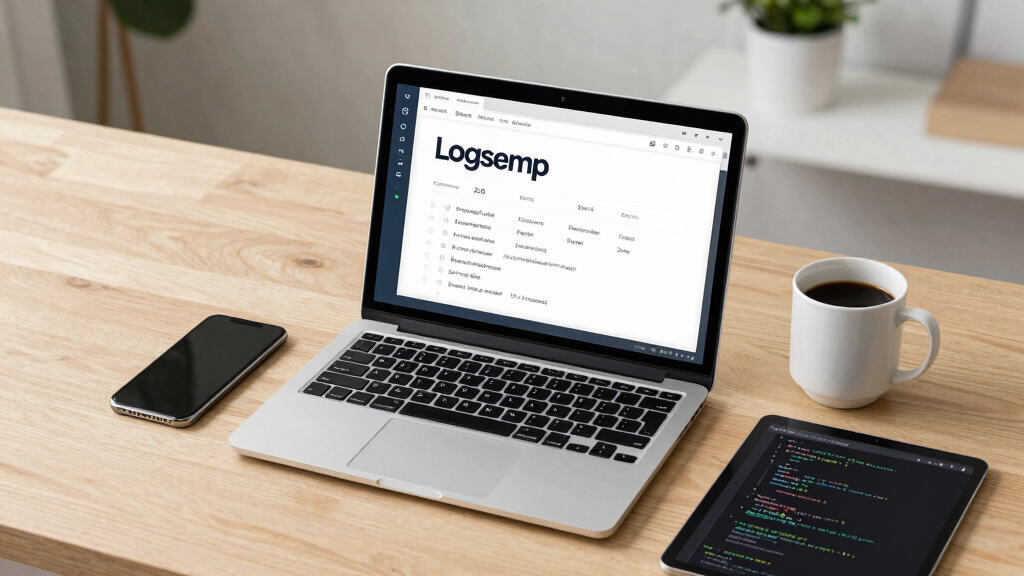
Logseq has announced the release of its 2.0 Beta, featuring a new database system designed to enhance performance and scalability. The update is currently in testing, with user feedback expected to shape final development.
Logseq has released the beta version of its 2.0 update, introducing a new database architecture designed to improve performance and scalability for users. The update, now available for testing, marks a significant shift in how Logseq manages data, with potential implications for user experience and future development.
The Logseq 2.0 Beta features a redesigned database system that replaces its previous storage model. According to the company, this new architecture aims to offer faster data retrieval, more reliable syncing, and better handling of large datasets. The update is currently in limited beta testing, with users invited to provide feedback on stability and usability.
Logseq’s development team stated that this overhaul is part of their broader effort to improve the application’s core performance. The new database version is based on a different underlying technology stack, which the company claims will enable more efficient data management and future feature expansion. The beta release also includes interface improvements and enhanced plugin support, according to official release notes.
Implications for User Experience and Future Development
This update matters because it addresses long-standing performance issues reported by some users, especially those working with large or complex data sets. A more robust database architecture could lead to faster load times, more reliable syncing across devices, and a smoother overall experience. For developers and power users, the new system may also enable more advanced features and integrations, potentially shaping the application’s trajectory over the coming months.
Popular right now

Bose QuietComfort True Wireless Earbuds with Active Noise Cancellation, Black

Ninja Flip Toaster Oven and Air Fryer, 8-in-1, Stainless Steel, SP151

KitchenAid Artisan 5-Quart Tilt-Head Stand Mixer, Almond Cream
As an affiliate, we earn on qualifying purchases.
Background on Logseq’s Data Management Evolution
Logseq, an open-source knowledge management tool, has historically used a markdown-based storage system that prioritized simplicity and flexibility. Over time, as user needs grew, the developers identified performance bottlenecks, especially with larger datasets. The move to a new database architecture in version 2.0 Beta represents a strategic shift aimed at addressing these issues and preparing the platform for future scalability. Previous updates have focused on interface improvements and plugin support, but this release marks a fundamental change to core data handling.
“The 2.0 Beta introduces a new database system designed to significantly improve performance and scalability for all users.”
— Logseq Development Team
Unclear Aspects of Stability and Final Features
It is not yet clear how stable the 2.0 Beta will be in the long term or when the final version will be released. User feedback from the beta phase will determine whether further adjustments are needed. Additionally, some features announced for the final release remain unspecified or are still under development, such as specific plugin support enhancements and interface refinements.
Next Steps for Logseq 2.0 and User Feedback
Logseq plans to continue beta testing over the coming months, collecting user feedback to refine the database system and address any stability issues. A full release of version 2.0 is expected once testing confirms reliability. Users participating in the beta are encouraged to report bugs and suggest improvements, which will influence the final product.
Key Questions
What are the main improvements in Logseq 2.0 Beta?
The main improvements include a redesigned database architecture aimed at enhancing performance, scalability, and data reliability, along with interface updates and better plugin support.
When will the final version of Logseq 2.0 be released?
A specific date has not yet been announced. The developers plan to release the final version after completing beta testing and incorporating user feedback, likely within the next few months.
How can I participate in the beta testing?
Users interested in beta testing can sign up through Logseq’s official channels or community forums, where they will receive instructions and access to the beta build.
Will existing data be compatible with the new database system?
Details about data migration are still being finalized. The development team has indicated that migration tools will be provided, but users should back up their data before upgrading.
What future features are expected in Logseq 2.0?
Beyond the new database architecture, future updates may include enhanced plugin capabilities, improved interface customization, and expanded collaboration features, subject to user feedback during beta.
Source: hn