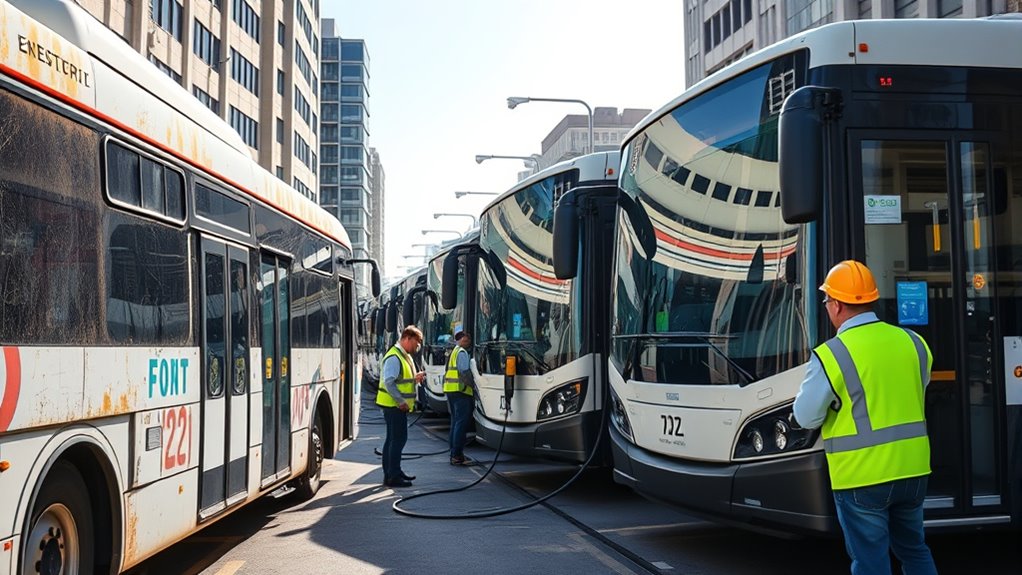
To manage obsolescence in aging electric buses, you should regularly evaluate and upgrade key components like batteries and software systems. Incorporate new technologies such as advanced battery chemistries, smart charging, and real-time diagnostics to extend vehicle lifespan and improve efficiency. Staying proactive with technology updates helps maintain performance and fleet reliability. Keep evolving your maintenance practices and integrate digital solutions, so your buses stay ahead of industry standards. Exploring these strategies further will provide you with ongoing insights for future upgrades.

Get business pricing on monitors, keyboards and dev gear
- Business-only prices and quantity discounts
- Tax-exempt purchasing
- Multiple users, one account, clear invoices
Key Takeaways
- Regularly evaluate and incorporate new battery chemistries and management systems to extend vehicle lifespan.
- Implement software updates and digital infrastructure enhancements for improved performance and compatibility.
- Adopt smart charging stations and thermal management solutions to mitigate aging effects and maintain range.
- Use real-time data analytics for proactive maintenance and informed decision-making on fleet upgrades.
- Strategically plan technology upgrades to ensure compliance with industry standards and prevent obsolescence.
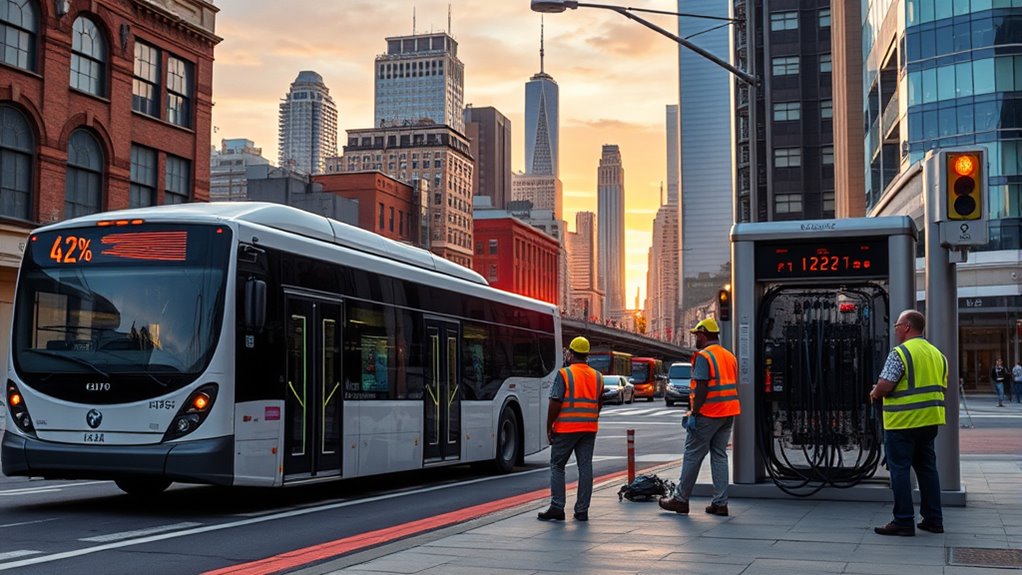
Managing obsolescence is essential for maintaining the value and functionality of your assets over time. When it comes to aging electric buses, this means staying ahead of technological changes that can make your fleet less efficient or more costly to operate. One of the most critical areas to focus on is battery management. As batteries age, their capacity diminishes, leading to reduced range and increased downtime. Implementing advanced battery management systems allows you to monitor battery health in real-time, optimize charge cycles, and extend the lifespan of your batteries. This proactive approach helps you avoid unexpected failures and ensures your buses continue performing reliably. Proper battery management also involves integrating new technologies that improve energy efficiency, such as smart charging stations and thermal management solutions, which keep batteries at ideal temperatures and prevent faster degradation.
Alongside battery management, software integration plays a pivotal role in updating aging electric buses. Modernizing your fleet isn’t just about swapping out hardware but also about embedding smarter software solutions that enhance overall performance. By integrating new software platforms, you can streamline maintenance schedules, monitor vehicle diagnostics remotely, and access real-time data on vehicle performance. This enables you to make informed decisions about repairs and replacements, minimizing downtime and extending the operational life of your buses. Additionally, software updates can add features like route optimization and energy management, which improve efficiency and reduce operational costs. When properly integrated, these systems create a cohesive technological ecosystem that adapts to evolving needs, helping your fleet remain competitive. Recognizing the importance of technological change ensures your fleet stays current with industry standards and innovations.
Updating your electric buses with new technologies isn’t a one-time effort but an ongoing process. As technology advances, you should continually evaluate and incorporate upgrades that enhance battery management and software capabilities. This might mean installing newer battery chemistries or adopting cloud-based data analytics to gain deeper insights into fleet performance. You also need to ensure that your software systems are compatible with emerging standards and can seamlessly integrate with other digital infrastructure. This integration not only improves operational visibility but also future-proofs your investment against rapid technological obsolescence. Ultimately, managing obsolescence through strategic upgrades keeps your electric buses efficient, reliable, and aligned with the latest innovations in transportation technology.
Popular right now

Vitamix 5200 Professional-Grade Blender, 64 oz. Container, Black

Ninja CREAMi 7-in-1 Ice Cream Maker, NC301

Dyson Ball Animal 2 Plus Corded Vacuum
As an affiliate, we earn on qualifying purchases.
Frequently Asked Questions
How Do New Tech Updates Impact Bus Maintenance Schedules?
New tech updates can make your bus maintenance schedules more efficient by improving battery lifespan management and software integration. When you upgrade to advanced batteries, you reduce the frequency of replacements, saving time and costs. Software updates help monitor system health, predict failures, and optimize performance. This proactive approach minimizes downtime, streamlines maintenance routines, and guarantees your electric buses operate reliably, keeping your fleet running smoothly and extending vehicle longevity.
Are There Funding Options for Upgrading Aging Electric Buses?
You can find funding options for upgrading aging electric buses through various sources like federal and state grant opportunities, which often support clean transportation initiatives. Additionally, explore local government programs, environmental grants, and incentives aimed at reducing emissions. Many organizations also partner with private companies or seek public-private collaborations to finance these upgrades. Keep an eye on grants specifically designed for infrastructure improvements and fleet modernization to maximize your funding potential.
What Safety Protocols Are Needed During Tech Retrofits?
During tech retrofits, you need to prioritize fire safety and emergency procedures. Make certain your team is trained on handling potential electrical fires, using fire extinguishers suited for electrical hazards. Implement clear emergency protocols, including evacuation routes and communication plans. Regularly inspect electrical systems for hazards, and keep safety equipment accessible. By following these protocols, you minimize risks and protect passengers and staff during the retrofit process.
How Does Updating Tech Extend Bus Operational Lifespan?
Updating tech is like giving your bus a fresh coat of armor, extending its life. You boost battery longevity and guarantee software compatibility, which keeps the bus running smoothly longer. These updates fix bugs and add features, preventing obsolescence. By investing in new tech, you maintain operational efficiency, reduce costs, and delay the need for costly replacements, effectively turning your aging fleet into a reliable, modern transportation asset.
What Training Is Required for Maintenance Staff on New Systems?
You need to train maintenance staff on software integration and diagnostic procedures to guarantee they can effectively handle new systems. This involves hands-on workshops, online modules, and certification programs focused on the latest technologies. By mastering software integration, staff can troubleshoot and update systems efficiently. Regular training updates keep technicians current, minimizing downtime and maximizing the bus’s operational lifespan, ensuring they’re well-prepared for any technical issues that arise.
Conclusion
By embracing updates and upgrades, you ensure your electric buses stay ahead of the curve, gracefully steering through the inevitable changes ahead. Instead of viewing obsolescence as a setback, see it as an opportunity to gently refine and renew your fleet’s capabilities. With careful management, you can extend the life of your buses, maintaining their relevance and efficiency. Ultimately, it’s about nurturing your assets so they continue to serve you well, even as technology softly evolves around them.