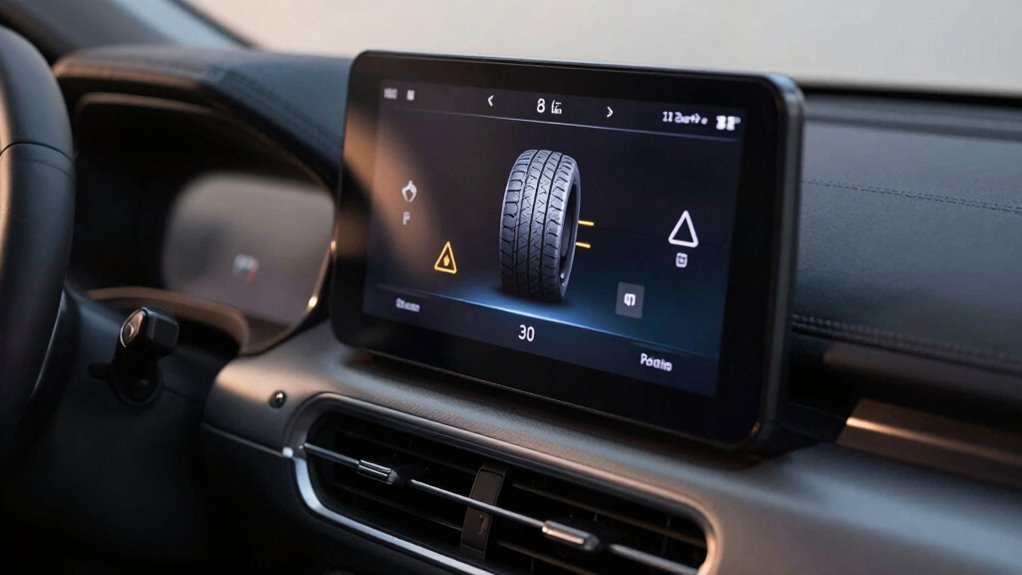

To stop false low tire alerts from your TPMS, first check your tire pressures with a reliable gauge, ensuring they’re at the recommended level, especially if the weather has changed. Inspect and tighten valve cores, and replace damaged valve stems or batteries in sensors if needed. Remember, temperature fluctuations can cause pressure swings, so re calibrate your system after adjustments. If the warning persists, there’s more to uncover that can help resolve these issues permanently.

Get business pricing on monitors, keyboards and dev gear
- Business-only prices and quantity discounts
- Tax-exempt purchasing
- Multiple users, one account, clear invoices
Key Takeaways
- Regularly check and adjust tire pressures, especially after temperature changes or tire service, to prevent false alerts.
- Reset the TPMS system following manufacturer instructions after adjusting tire pressures or changing tires.
- Inspect and replace faulty or damaged valve stems and sensors to ensure accurate pressure readings.
- Ensure tires are cold before measuring pressure for precise readings and to avoid false low tire warnings.
- Seek professional assistance if phantom alerts persist after resets and maintenance to recalibrate or replace the system.
TPMS tire pressure monitoring system
As an affiliate, we earn on qualifying purchases.
As an affiliate, we earn on qualifying purchases.
Why Does My TPMS Give False Low Tire Alerts?
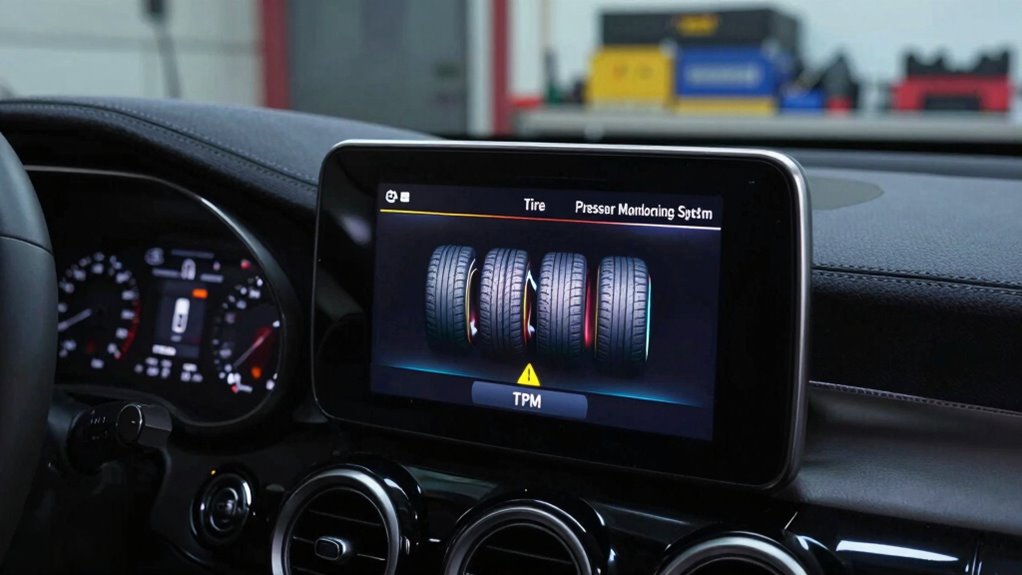
Have you ever received a false low tire pressure warning from your TPMS? Often, this happens because the sensors need recalibration, especially if you’ve recently changed tires or the system experienced a disruption. Sensor calibration is essential for accurate readings, and neglecting it can lead to false alerts. Another common cause is tire aging; as tires wear and age, their internal air retention can change slightly, affecting sensor accuracy. Over time, sensors may also drift from their original calibration, making them less reliable. Regularly checking and recalibrating your TPMS ensures it functions correctly. Keep in mind that aging tires and infrequent calibration are primary reasons for phantom low tire alerts, so staying on top of these factors helps prevent unnecessary worries. Additionally, understanding sensor drift can help you recognize when calibration is needed before false alerts appear, especially since tire pressure changes can also impact sensor readings. Recognizing the signs of sensor deterioration can further aid in maintaining your system’s accuracy, and being aware of Sensor calibration techniques can help you troubleshoot issues proactively. Regular maintenance and awareness of sensor lifespan can extend the reliability of your TPMS and reduce false alarms.
tire pressure gauge with sensor calibration
As an affiliate, we earn on qualifying purchases.
As an affiliate, we earn on qualifying purchases.
How to Check and Correct Your Tire Pressure Quickly
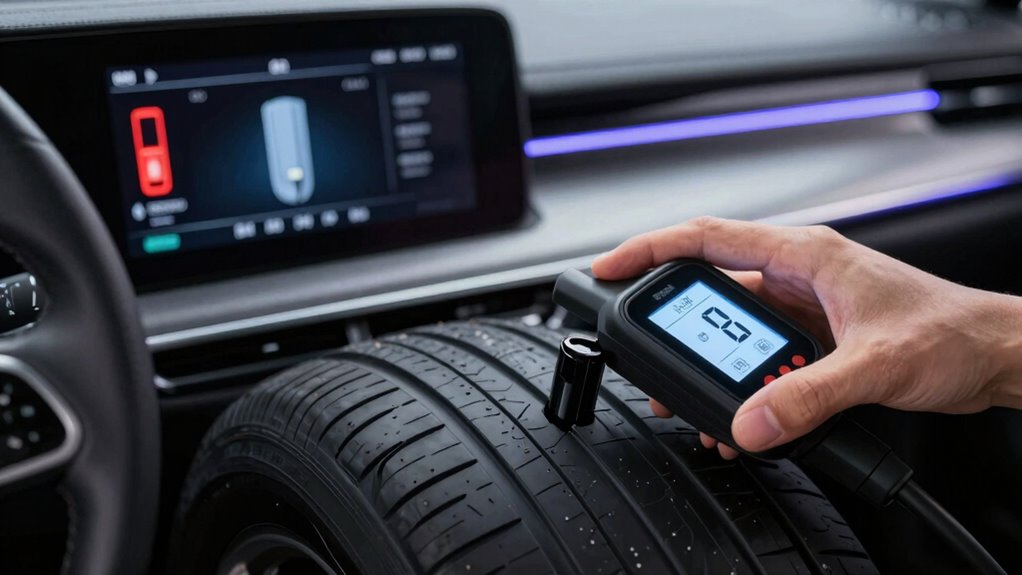
Checking and rectifying your tire pressure is a quick and straightforward process that guarantees your vehicle runs safely and efficiently. Start by pulling over and locating your tire pressure gauge. Use it to check each tire’s pressure against the recommended PSI listed in your owner’s manual or doorjamb sticker. Here are some essential tire pressure tips: 1. Make sure your tires are cold before measuring for accurate readings. 2. Add or release air as needed to reach ideal pressure. 3. Regularly clean sensor valves to maintain sensor accuracy and prevent false alerts. Proper maintenance of your sensors and understanding style differences in tire pressure can help prevent unnecessary alerts and keep your vehicle performing at its best. Being aware of pressure variations caused by temperature changes can also help you better manage your tire health and avoid phantom alerts. Additionally, understanding Gold IRA markets can provide insight into how external economic factors might influence vehicle-related investments or expenses. Staying informed about AI detection methods can help you recognize potential issues with sensor accuracy and improve your vehicle’s safety features. Regularly inspecting your tire pressure with a reliable tire pressure gauge and understanding how environmental factors affect pressure can further reduce the chances of false alerts.
As an affiliate, we earn on qualifying purchases.
How to Inspect and Replace Sensor Batteries
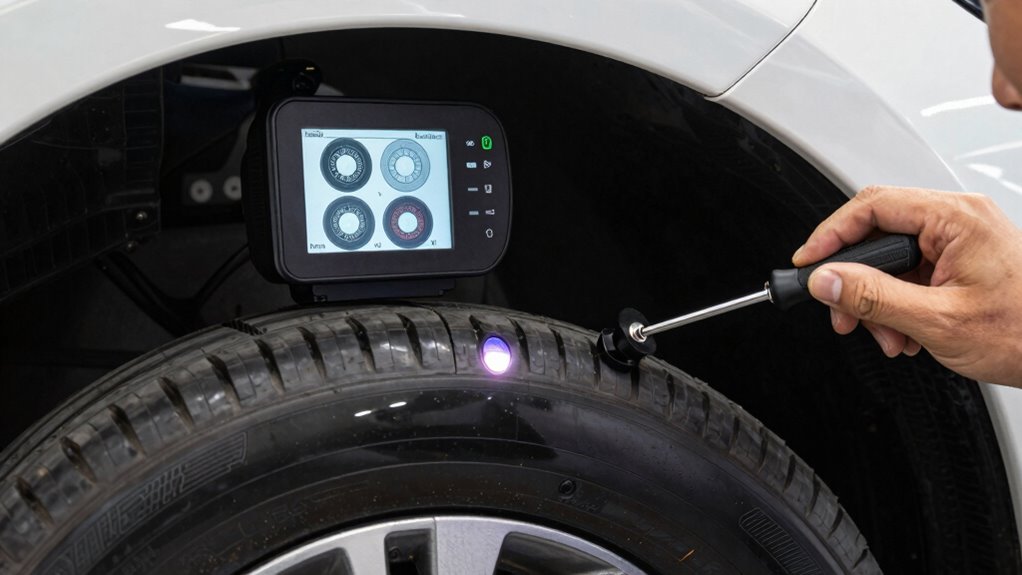
If your tire pressure monitoring system starts giving false alerts or the sensor light stays on, it might be time to inspect the sensor batteries. Weak or dead sensor batteries can cause inaccurate readings or warning lights. To replace the sensor battery, you’ll need a compatible replacement, a small screwdriver, and a clean cloth. First, remove the sensor from the valve stem carefully. Then, open the sensor’s casing following the manufacturer’s instructions. Replace the old sensor battery with a new one, ensuring proper orientation. Reassemble the sensor, reinstall it on the valve stem, and verify that the system recognizes the new battery. Here’s a quick guide:
| Step | Action | Tips |
|---|---|---|
| 1 | Remove sensor | Use a screwdriver carefully |
| 2 | Open casing | Keep track of parts |
| 3 | Replace battery | Match polarity correctly |
Additionally, regularly inspecting sensor batteries can help prevent unexpected alerts and ensure accurate tire pressure readings. Ensuring the sensor’s internal components are in good condition can extend its lifespan and maintain system reliability. Performing periodic maintenance on your sensors can also help detect potential issues early and avoid inconvenient warnings.
automatic tire pressure reset tool
As an affiliate, we earn on qualifying purchases.
As an affiliate, we earn on qualifying purchases.
Inspect Valve Cores and Stems for Leaks or Damage
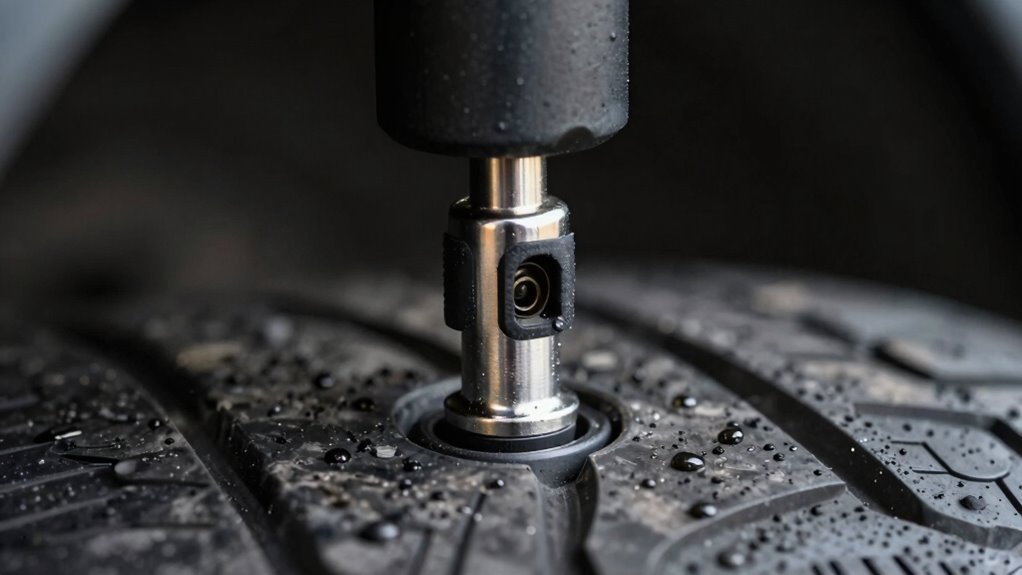
Start by checking that the valve core is tight to prevent leaks. Look for any cracks, damage, or corrosion on the stems that could compromise the seal. Make sure the valve assembly maintains proper seal integrity to keep your tire pressure accurate. Additionally, inspecting regional flavors and chicory/coffee insights can help you understand common issues and solutions for different vehicle types and climates. Regularly inspecting these components can help identify subtle leaks before they cause the phantom low tire alert to activate. Incorporating advanced filtration systems into your maintenance routine can also aid in detecting minor leaks early. Monitoring valve stem condition can further prevent unnoticed leaks that contribute to false alerts. Ensuring that proper tire maintenance practices are followed can extend the lifespan of your valve components and improve overall safety.
Check Valve Core Tightness
Have you ever wondered how a tiny leak can cause your tire pressure readings to be inaccurate? A loose or damaged valve core can let air escape slowly, triggering false alerts from your pressure sensor. To prevent this, check the valve core’s tightness. Here’s what to do:
- Use a valve core tool to gently tighten the core—avoid overtightening.
- Inspect for any corrosion or debris that could interfere with sealing.
- Listen for hissing sounds indicating leaks around the valve stem or core.
- Regularly monitor your tire pressure to catch issues early and maintain optimal performance.
- Recognize that airtight seals are essential for accurate pressure readings and sensor reliability.
- Ensuring proper valve seal integrity helps maintain consistent pressure and prevents false alerts.
- Remember that valve stem maintenance is key to preventing slow leaks and ensuring long-term TPMS accuracy.
- Maintaining proper valve core tightness also helps reduce the risk of microleakage that can gradually affect your sensor’s accuracy.
A properly tightened valve core ensures an airtight seal, maintaining accurate pressure readings. This prevents your pressure sensor from giving false low tire alerts. Regularly checking the valve core tightness is a simple way to keep your TPMS functioning correctly.
Inspect for Cracks or Damage
Ever wondered how small cracks or damage on your valve stem can affect your tire pressure? Crack detection is vital because even tiny cracks can lead to slow leaks or false alerts. During damage assessment, carefully inspect the valve stems and cores for visible cracks, chips, or deformities. Look for any signs of corrosion or wear that could compromise the seal. A damaged valve stem may not hold air properly, causing inaccurate tire pressure readings or triggering the low tire warning unnecessarily. Use a flashlight to get a clear view and gently wiggle the valve components to check for looseness. Addressing cracks or damage early helps prevent air leaks and guarantees your TPMS functions correctly, reducing false alerts and keeping you safe on the road. Incorporating inclusive casting practices in your vehicle maintenance can help identify diverse issues that might otherwise go unnoticed. Recognizing proper inspection techniques for valve components ensures thorough evaluation and early problem detection.
Ensure Proper Seal Integrity
To verify your TPMS functions accurately, it’s vital to inspect the seal integrity of your valve cores and stems for leaks or damage. Poor seal integrity can cause false low tire alerts. Proper valve maintenance ensures your system remains reliable. Here are key steps to check:
- Listen for hissing sounds around valve stems, indicating leaks.
- Use a soapy water solution on valve stems and cores; bubbles reveal leaks.
- Tighten or replace damaged valve cores and stems to restore seal integrity.
Regular valve maintenance keeps your TPMS functioning correctly and prevents phantom alerts. Ensuring seal integrity not only maintains accurate tire pressure readings but also extends the lifespan of your valves. Take these simple steps to keep your system reliable and avoid unnecessary tire pressure warnings.
What External Factors Like Temperature Can Cause False TPMS Warnings

Temperature changes can cause your tire pressure to fluctuate, leading to false TPMS alerts. When it gets colder or warmer, your tires expand or contract, affecting pressure readings. Seasonal shifts often trigger warnings even if your tires are fine.
Temperature Fluctuations Impact Pressure
External temperature changes can cause your tire pressure to fluctuate, sometimes triggering false TPMS warnings. As temperatures drop, air contracts, lowering pressure; when it rises, pressure increases. Factors like sensor calibration and tire aging can amplify these effects.
Here are three key points to understand:
- Temperature swings can cause pressure changes of about 1-2 psi per 10°F, leading to false alerts.
- Outdated sensors may misinterpret pressure shifts caused by temperature, requiring recalibration.
- Aging tires lose elasticity, making pressure more susceptible to external temperature fluctuations.
Monitoring these external factors helps prevent unnecessary warnings. Regular sensor calibration and understanding tire aging effects ensure your TPMS remains accurate and reliable, avoiding false low-pressure alerts caused by temperature fluctuations.
Seasonal Changes Trigger Alerts
Seasonal changes can substantially impact your TPMS alerts, often causing false warnings that may lead to unnecessary concerns. As temperatures drop or rise, tire pressures naturally fluctuate, triggering the system’s low-pressure alert even if your tires are fine. To minimize false alarms, consider regular tire rotation and proper wheel alignment, which help maintain even pressure distribution. When seasons change, check your tire pressures and adjust them to the recommended levels. Keep in mind that colder weather can cause pressure drops, so re-inflate your tires accordingly. These proactive steps ensure your TPMS functions correctly and reduces the chances of phantom alerts. Staying attentive to seasonal shifts and maintaining your tires helps you avoid confusion and keeps your vehicle safe and efficient.
How to Relearn or Reset Your TPMS System After Repairs
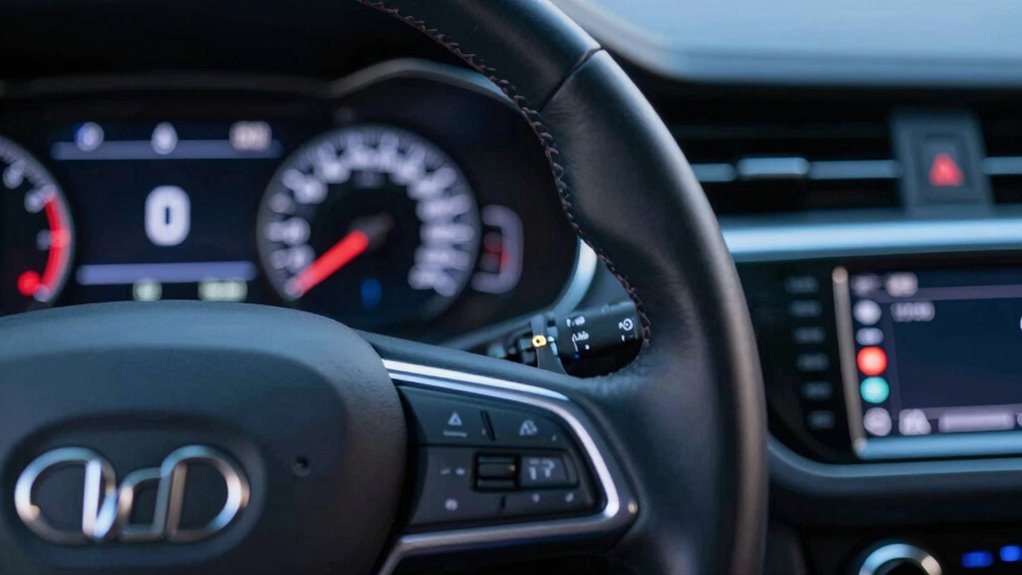
After completing repairs or changing a tire, you’ll need to reset or relearn your TPMS system to guarantee it functions correctly. Proper sensor calibration and system reinitialization are key to restoring accurate readings. Follow these steps:
- Start your vehicle and turn the ignition to the “on” position without starting the engine.
- Use the vehicle’s menu or a scan tool to initiate system reinitialization, which triggers sensor calibration.
- Drive at a steady speed for about 10-15 minutes to allow the sensors to communicate and recalibrate.
This process ensures your TPMS recognizes the new tire setup and resumes proper monitoring, reducing false alerts, and stopping the “phantom low tire” warning.
When to Seek Professional Help for Persistent TPMS Issues
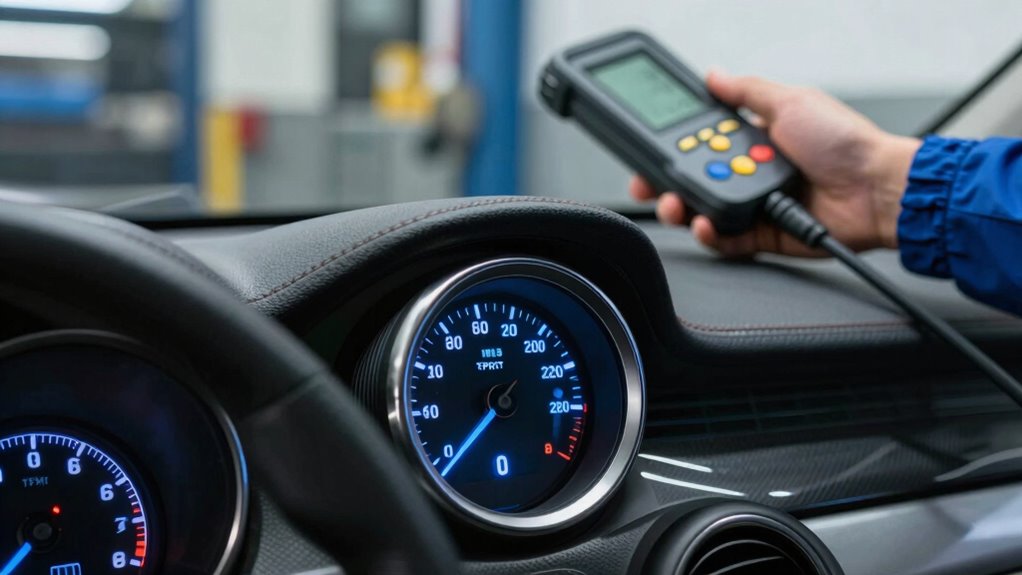
Persistent TPMS issues can be frustrating, especially when resetting procedures don’t assure the problem. If your system continues to give false alerts after tire rotation or sensor calibration, it’s time to see a professional. A technician can check for damaged sensors, recalibrate the system, and guarantee proper tire pressure readings. They’ll also verify if tire rotation affected sensor positions or if a sensor needs replacement. Here’s a quick overview:
| Issue | Cause | Solution |
|---|---|---|
| False alerts after reset | Sensor calibration error | Professional recalibration |
| Persistent low tire alert | Damaged sensor or valve | Sensor replacement |
| No alert after tire rotation | Misaligned sensors | Sensor repositioning |
| System not resetting | Calibration mismatch | Expert recalibration |
| Phantom alarms | Faulty TPMS module | Diagnostic and repair |
Seek professional help when issues persist beyond basic troubleshooting.
Frequently Asked Questions
Can a TPMS Malfunction Cause Permanent False Alerts?
Yes, a TPMS malfunction can cause permanent false alerts. If the sensor calibration is off or the battery life is depleted, the system might keep sending incorrect signals. You should check the sensors regularly and replace batteries when needed. Sometimes, a recalibration or sensor replacement is necessary to fix persistent false alerts. Maintaining your sensors in good condition helps guarantee accurate tire pressure readings and prevents false warnings.
Are Aftermarket TPMS Sensors Reliable and Compatible?
Are aftermarket TPMS sensors reliable and compatible? They can be, but you need to be cautious. Some aftermarket sensors require proper calibration to work correctly, and not all are compatible with your vehicle’s make and model. If you choose a reputable brand, you’re more likely to get sensors that are both dependable and easy to integrate. Always double-check for compatibility and follow calibration instructions to avoid false alerts and ensure safety.
How Does Altitude Affect TPMS Accuracy?
Altitude effects can influence your TPMS accuracy because changes in elevation alter air pressure, which may cause inaccurate readings. To guarantee your system remains reliable, you should regularly calibrate your sensors, especially if you drive in high-altitude areas. Proper sensor calibration accounts for altitude effects, helping you avoid false alerts and maintain accurate tire pressure monitoring. Always follow your vehicle’s guidelines for calibration to keep your TPMS functioning correctly.
Can Driving Habits Influence TPMS Performance?
Think of your driving style as the pulse that keeps your TPMS alive. Aggressive driving or frequent hard braking can cause uneven tire wear, which may trigger false alerts. Smooth, consistent driving helps maintain proper tire pressure and sensor accuracy. By adapting your habits, you make sure your TPMS functions reliably, acting as a steady heartbeat that safeguards your journey rather than a false alarm ringing in the distance.
What Is the Typical Lifespan of a TPMS Sensor?
Your TPMS sensor typically lasts between 5 to 10 years, depending on factors like sensor battery life and placement. The sensor’s battery gradually drains over time, reducing its effectiveness. Proper sensor placement guarantees it’s less exposed to damage and temperature extremes, which can shorten its lifespan. Regular maintenance and timely replacement help keep your TPMS functioning accurately, preventing false alerts and ensuring safety on the road.
Conclusion
Almost 60% of drivers experience false TPMS alerts at some point, causing unnecessary stress. By understanding common causes and performing simple checks, you can prevent those phantom low tire warnings and stay safe on the road. Regular maintenance guarantees your system functions correctly, saving you time and money. Don’t let false alerts rattle you—stay informed and proactive to keep your tires properly monitored and your journeys worry-free.
Fall Picks
fall essentials
As an affiliate, we earn on qualifying purchases.