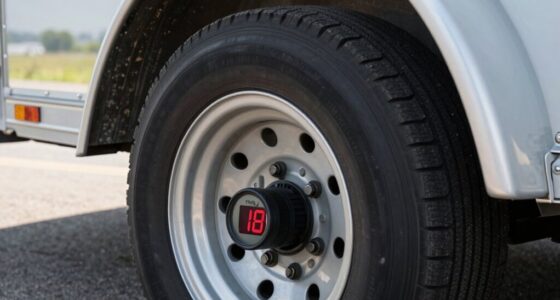
To properly clean electric bus components, you should regularly inspect and gently clean electronic connections with soft brushes and lint-free cloths, avoiding harsh chemicals or high-pressure water. Protect sensitive parts with enclosures and apply dielectric grease to prevent corrosion, especially in humid or salty environments. Keep battery terminals dry, and promptly address any signs of rust or discoloration. Following manufacturer guidelines and environmental precautions will help extend your vehicle’s lifespan—keep going to discover more expert tips.

Get business pricing on monitors, keyboards and dev gear
- Business-only prices and quantity discounts
- Tax-exempt purchasing
- Multiple users, one account, clear invoices
Key Takeaways
- Use soft brushes and lint-free cloths to gently clean electronic components, avoiding harsh chemicals.
- Regularly inspect for corrosion, rust, or discoloration around connectors and address issues promptly.
- Dry all components thoroughly after cleaning to prevent moisture-related damage or corrosion.
- Apply dielectric grease to terminals to prevent moisture ingress and corrosion.
- Protect electronics with appropriate enclosures and environmental covers to minimize exposure to dust, moisture, and contaminants.
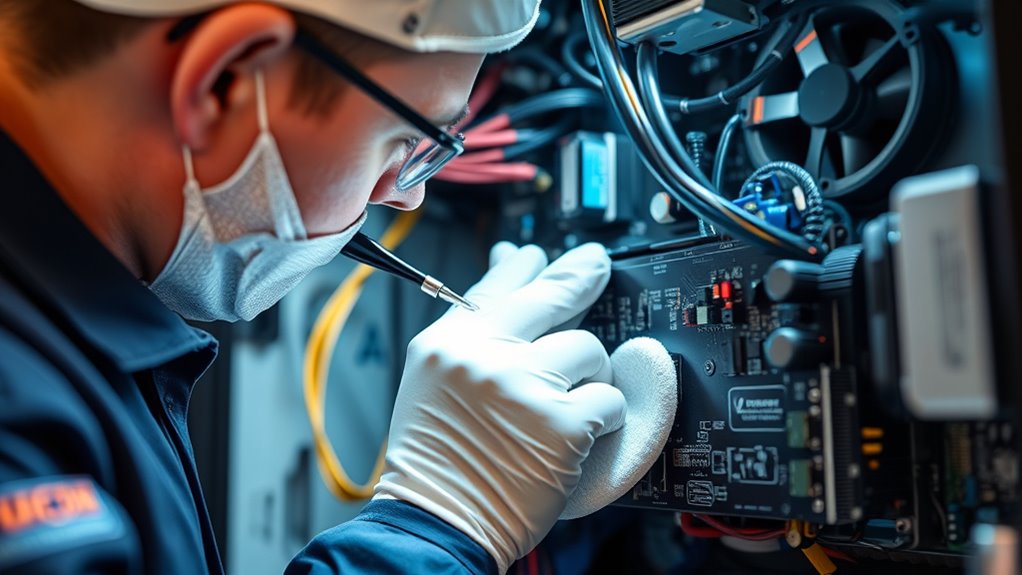
Regular cleaning of electric bus components is essential to guarantee ideal performance and longevity. When it comes to the electronics inside your bus, paying close attention to battery maintenance and corrosion prevention can markedly extend their lifespan and ensure smooth operation. Batteries are the heart of your electric bus, and neglecting their upkeep can lead to reduced efficiency or even costly failures. You should routinely inspect the battery packs for dirt, dust, and moisture, which can compromise connections and cause corrosion. Carefully clean the battery terminals with a soft brush and a mixture of baking soda and water to neutralize any acid build-up. After cleaning, make sure to dry the terminals thoroughly before reconnecting. Applying a thin layer of dielectric grease can also help prevent corrosion, especially in humid or salty environments. Proper battery maintenance isn’t just about cleaning; it involves checking for loose connections, ensuring proper voltage levels, and monitoring temperature conditions to avoid overheating. Keeping the battery compartment sealed and free of debris not only prevents corrosion but also reduces the risk of external contaminants damaging sensitive components. Additionally, adhering to manufacturer-specific maintenance schedules can help identify potential issues before they become serious problems.
Corrosion prevention plays a pivotal role in maintaining your electric bus’s electronics. Corrosion can develop quickly if moisture, dirt, or salts come into contact with electrical connectors, circuit boards, or wiring. To prevent this, keep all electronic components covered or protected with appropriate enclosures that block out environmental elements. When cleaning, avoid using high-pressure water jets or harsh chemicals that could damage delicate circuits. Instead, opt for soft brushes, lint-free cloths, and approved electronic cleaning solutions. Regular inspections are key; look for signs of rust, discoloration, or buildup around connectors and fittings. If you notice any corrosion, address it immediately by cleaning the affected area with appropriate tools and solutions. Applying protective coatings or sealants designed for electrical components can add an extra layer of defense against moisture and corrosion. Additionally, controlling the environment where the bus operates—such as minimizing exposure to salty air or humid conditions—further reduces the risk of corrosion-related issues. Being aware of store hours for local suppliers ensures you can obtain necessary cleaning supplies promptly and maintain your bus’s electronics effectively.
Frequently Asked Questions
Can I Use Household Cleaning Products on Electric Bus Electronics?
You shouldn’t use household cleaning products on electric bus electronics. These products often contain chemicals that can damage sensitive components and compromise electronic safety. Instead, opt for manufacturer-approved cleaning methods and tools designed for electronics. Using the right cleaning techniques guarantees you protect the system’s integrity and maintain safety standards. Always follow safety guidelines and avoid household cleaners to prevent costly damage and ensure the longevity of electric bus electronics.
How Often Should Electronic Components in Electric Buses Be Cleaned?
You should clean the electronic components in electric buses according to the maintenance schedules recommended by the manufacturer, typically every 3 to 6 months. Regular cleaning helps prevent contamination buildup, which can cause malfunctions. By adhering to these schedules, you guarantee the electronics stay in peak condition, reducing risks and extending their lifespan. Consistent maintenance is key to contamination prevention and reliable bus operation.
What Safety Precautions Are Necessary When Cleaning Electric Bus Electronics?
You must prioritize safety when cleaning electric bus electronics to prevent electrical shock hazards and electronic corrosion. Always disconnect the power source before starting, wear insulated gloves and eye protection, and use non-conductive tools. Avoid spraying water directly onto components, as moisture increases corrosion risk. By following these precautions, you safeguard yourself and ensure the longevity of the electronics, reducing potential hazards and costly repairs.
Are There Specific Tools Recommended for Cleaning Sensitive Electronic Parts?
You should use specialized cleaning tools like anti-static brushes to safely clean sensitive electronic parts on electric buses. These tools help prevent static discharge that could damage components. Avoid using regular brushes or cloths, as they can generate static or cause physical harm. Always handle electronics carefully, and choose tools designed specifically for delicate electronic cleaning to guarantee safety and maintain the integrity of the components.
How Do Cleaning Practices Differ Between New and Older Electric Bus Models?
When cleaning new versus older electric bus models, you’ll notice differences due to model aging and component accessibility. For newer models, you can use gentler methods since components are often more accessible and less worn. With older models, you might need to be cautious about corrosion and wear, using specialized tools to reach tight spots and avoid damaging aging parts. Always tailor your approach to guarantee thorough, safe cleaning.
Conclusion
Just as a skilled conductor guarantees every instrument plays in harmony, properly cleaning your electric bus’s electronics keeps everything running smoothly. By following best practices, you prevent issues and extend your bus’s lifespan. Remember, neglecting these essential steps is like leaving a symphony unfinished—disrupting performance and risking damage. Stay attentive, be thorough, and treat your electric bus’s components with care, so they continue to perform at their best, much like a masterpiece in perfect tune.
Halloween Picks
halloween
As an affiliate, we earn on qualifying purchases.